
The Household Pantry Audit: Stocking a Kitchen That Makes Healthy Eating Easier
A practical checklist for assessing what's in your pantry and swapping in staples that support more nutritious everyday cooking.
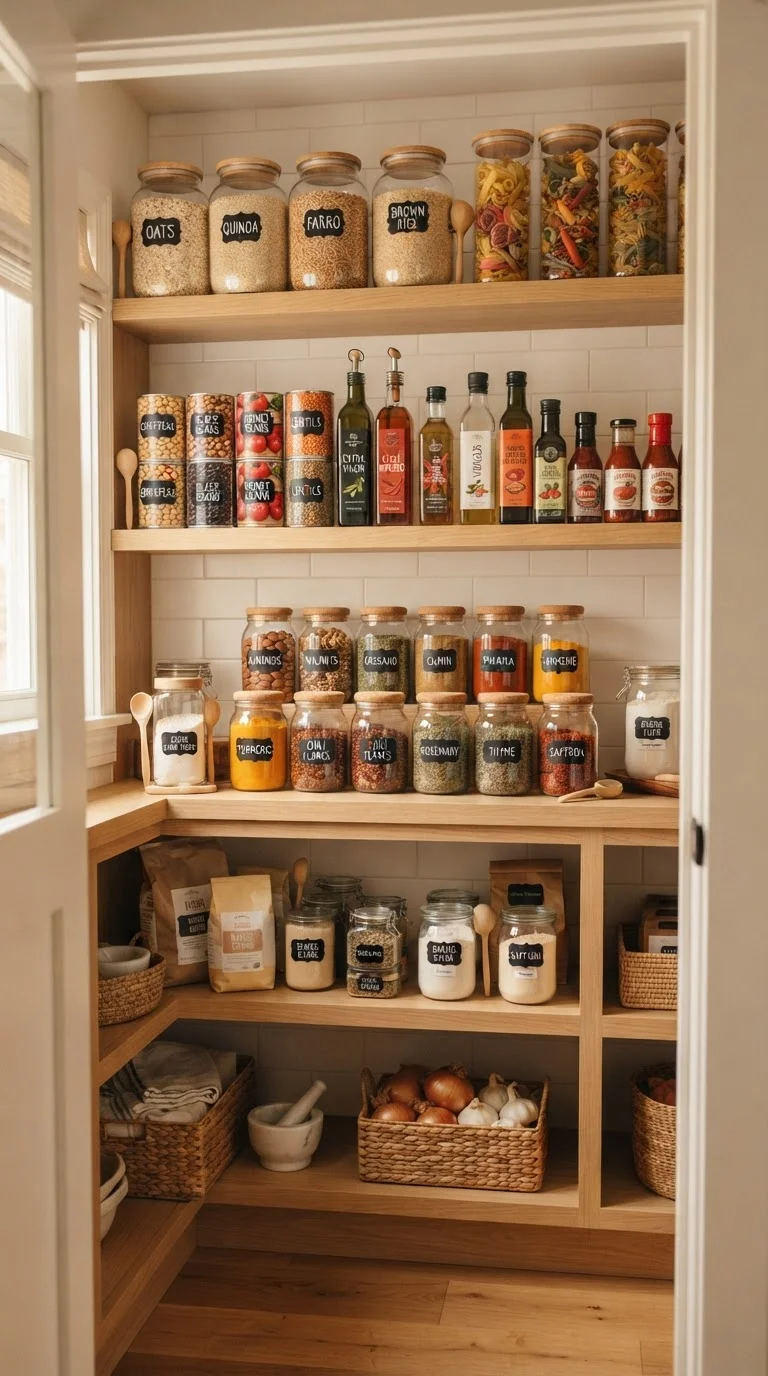
Photo: HorizonMetric.com | One Destination For Everyday Insights editorial
—— In This Article
Key Takeaways
- A pantry audit helps you identify gaps and reduce reliance on highly processed convenience foods.
- Whole grains, legumes, canned vegetables, and healthy fats are the most versatile healthy staples.
- Swapping a few key items — not overhauling everything — makes change sustainable and affordable.
- A well-stocked pantry directly supports faster, lower-effort healthy cooking on busy weeknights.
- Checking expiration dates and organizing by category reduces food waste and impulse purchases.
Why a Pantry Audit Is Worth Your Time
Most of us don't eat poorly because we lack information — we eat poorly because the easy option within arm's reach isn't a nutritious one. A pantry audit is a deliberate reset: you assess what you already have, remove what's working against you, and fill strategic gaps with staples that make healthy cooking the path of least resistance.
Research in behavioral nutrition consistently suggests that what's visible and accessible in your kitchen shapes your choices more than motivation alone. The behavioral science behind food habits shows that defaults — not willpower — drive most eating decisions. Changing your pantry changes your defaults.
This checklist walks you through a structured audit in four stages: clearing out, assessing what remains, identifying what to add, and organizing for ease of use. You don't need to replace everything at once. Start with the highest-priority swaps and build from there.
Notepad or notes app
Track what to discard, what to keep, and what to restock as you work through each shelf.
Permanent marker and labels
Label bulk bins, decanted containers, and any unlabeled items with name and date.
Shelf liner or cleaning cloth
Wipe down empty shelves before restocking to keep the space clean and pest-resistant.
The Pantry Audit Checklist
Work through each group in order. Use the checklist to check off items as you go — a notepad or your phone's notes app for tracking what to restock is helpful.
Step 1 — Clear Out
Step 2 — Assess What You Have
Step 3 — Restock with Purpose
Step 4 — Organize for Ease
Don't Try to Overhaul Everything at Once
Replacing your entire pantry in a single shopping trip is expensive and rarely sticks. Focus first on filling the "must" gaps — whole grains, legumes, healthy oil, and canned tomatoes — before moving to lower-priority additions. A gradual swap approach over two to four shopping trips is more sustainable and less wasteful than a dramatic purge-and-restock.
Once your pantry reflects these priorities, you'll find that weeknight cooking becomes noticeably faster. Pair this audit with a realistic meal prep routine to get maximum use from these staples. If time is a consistent barrier, the strategies in healthy eating on a tight schedule complement this foundation well.
Putting Your Restocked Pantry to Work
An audited pantry does its best work when it's organized for visibility. Group items by category — grains together, canned goods together, oils and vinegars in one zone — so you can see what's available at a glance rather than digging through clutter. If your storage areas tend to fall back into disorder, the patterns explored in why kitchen organization breaks down may offer useful perspective.
From here, consider building a repeating dinner rotation around your new staples. A bean-based grain bowl, a quick lentil soup, a pasta with canned tomatoes and olive oil — these meals emerge naturally from a well-stocked pantry without much planning. For a structured approach, see our guide to planning a weeknight dinner rotation.
The goal isn't a perfect pantry — it's a practical one. Even five or six reliable staples give you the foundation to cook something nourishing on the nights when effort is lowest. The cooking basics hub can help you build the simple techniques to use them confidently, and the nutrition and diet hub offers deeper context on everyday eating patterns.
This article is for general informational and educational purposes only. It is not a substitute for personalized advice from a registered dietitian or qualified healthcare professional.

Food Editorial Team
Food Editorial Team is the collective byline for our editorial team and contributor network. Articles published under this byline or an editorial pen name are researched, written, and reviewed according to our editorial standards for clarity, consistency, and independence before publication.
View author profile