
What Does 'End-to-End Encryption' Actually Mean?
End-to-end encryption is everywhere, but what does it really protect? A plain-English breakdown of how the technology works and why it matters.
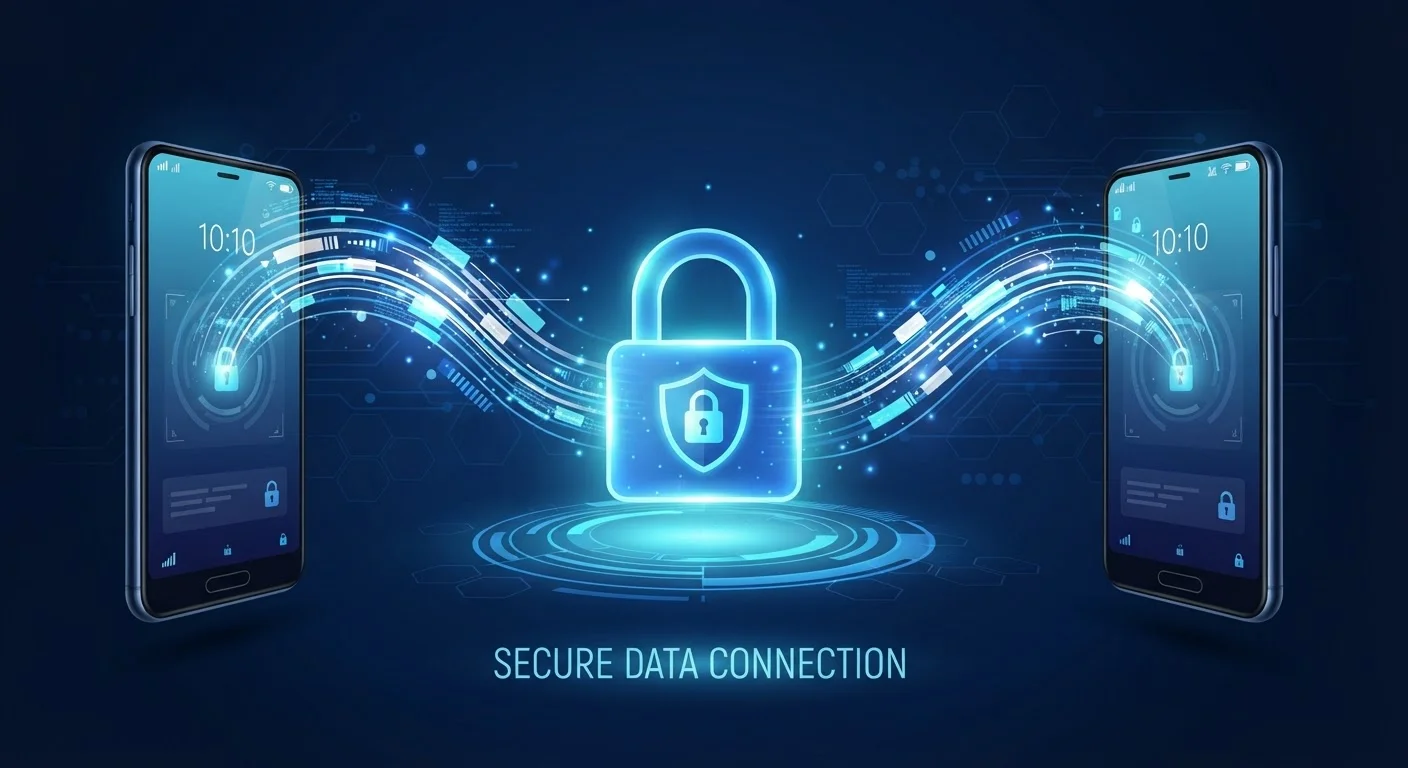
Photo: HorizonMetric.com | One Destination For Everyday Insights editorial
—— In This Article
Key Takeaways
- End-to-end encryption means only you and your recipient can read a message — no one else.
- The company operating the app cannot read your encrypted messages, even if legally compelled.
- E2EE protects message content but does not hide who you are talking to or when.
- Not every messaging app uses end-to-end encryption by default — it's worth checking.
- E2EE is one layer of protection; strong passwords and device security still matter.
The Lock That Only You and Your Recipient Can Open
When a messaging app says it uses end-to-end encryption, it's making a specific promise: the only people who can read your messages are you and the person you're sending them to. Nobody in the middle — not the app company, not your internet provider, not a hacker monitoring the network — can decipher what was written.
Think of it like a physical lockbox. You put a letter inside, lock it, and send it. The lockbox passes through several hands — a courier, a sorting facility — but nobody along the way has the key. Only your recipient does. That's the essential idea behind E2EE.
The "end-to-end" part emphasizes where the encryption and decryption actually happen: at the ends of the conversation, meaning your device and your recipient's device. The message travels scrambled across every server in between.
“Encryption is one of the most important tools we have for maintaining privacy and security in the digital age. Without it, communications are essentially postcards — readable by anyone who handles them along the way.”
— Bruce Schneier, Security technologist and author of 'Data and Goliath'
How the Technology Actually Works
Without getting too deep into mathematics, E2EE relies on something called public-key cryptography. Each person in a conversation has two linked keys — a public key and a private key.
- Public key: Shared openly. Anyone can use it to encrypt a message meant for you.
- Private key: Stored only on your device. It's the only thing that can unlock messages encrypted with your public key.
When you message someone, your app automatically uses their public key to scramble the content. When it arrives, only their private key — sitting on their phone — can unscramble it. The app company's servers relay the locked message but never hold the key to open it.
Check Whether Encryption Is On By Default
Not all messaging apps enable end-to-end encryption for every conversation automatically. Look in your app's settings or privacy documentation to confirm. Some apps only offer encrypted chats as an opt-in feature, meaning regular conversations may not be protected.
What End-to-End Encryption Doesn't Protect
E2EE is genuinely powerful, but it has real limits that are worth understanding.
Metadata isn't encrypted. The app may still log that you messaged a particular contact, at a certain time, for a certain duration — even if the words themselves are hidden.
Your device itself isn't protected. If someone picks up your unlocked phone, they can read your messages directly. Encryption only secures the message in transit and on the server.
Cloud backups can be a gap. If you back up your messages to a cloud service without end-to-end encrypted backups enabled, a readable copy may exist there.
Building good habits around device security and account protection is just as important as using encrypted apps. Consider pairing E2EE messaging with strong authentication practices — two-factor authentication is a practical next step for protecting your accounts.
Encrypted Apps Can Still Share Metadata
Even when message content is fully protected by E2EE, apps may retain information about your communications patterns — who you contact, how often, and from what location. If metadata privacy is a concern, look for apps that explicitly limit metadata collection, and review their published privacy policies.
Why It Matters for Everyday Life
You don't need to be a journalist or activist to benefit from end-to-end encryption. Ordinary conversations — discussing a health issue with a family member, sharing financial information with a spouse, or simply chatting privately — deserve protection from eavesdroppers.
Data breaches happen regularly, and when they do, the contents of messages stored on company servers can be exposed. With E2EE, there's no readable message content on the server to steal.
Understanding how your apps handle encryption is part of a broader habit of managing your privacy online. For a wider look at staying safer on the internet day-to-day, this grounded guide to everyday internet security covers the full picture.
~2 billion
Users on one major E2EE messaging platform
Meta has reported approximately two billion active users on WhatsApp, which uses end-to-end encryption by default for all messages and calls.
2013
Year E2EE entered mainstream messaging
Open Whisper Systems launched TextSecure in 2013, bringing end-to-end encrypted messaging to consumer smartphones and laying groundwork for the Signal Protocol widely used today.
Frequently Asked Questions

Technology Editorial Team
Technology Editorial Team is the collective byline for our editorial team and contributor network. Articles published under this byline or an editorial pen name are researched, written, and reviewed according to our editorial standards for clarity, consistency, and independence before publication.
View author profile