
What "Shoulder Season" Really Means — and Why It Matters for Your Trip
Shoulder season isn't just a buzzword. Learn what it means for crowds, prices, weather, and access at popular destinations worldwide.
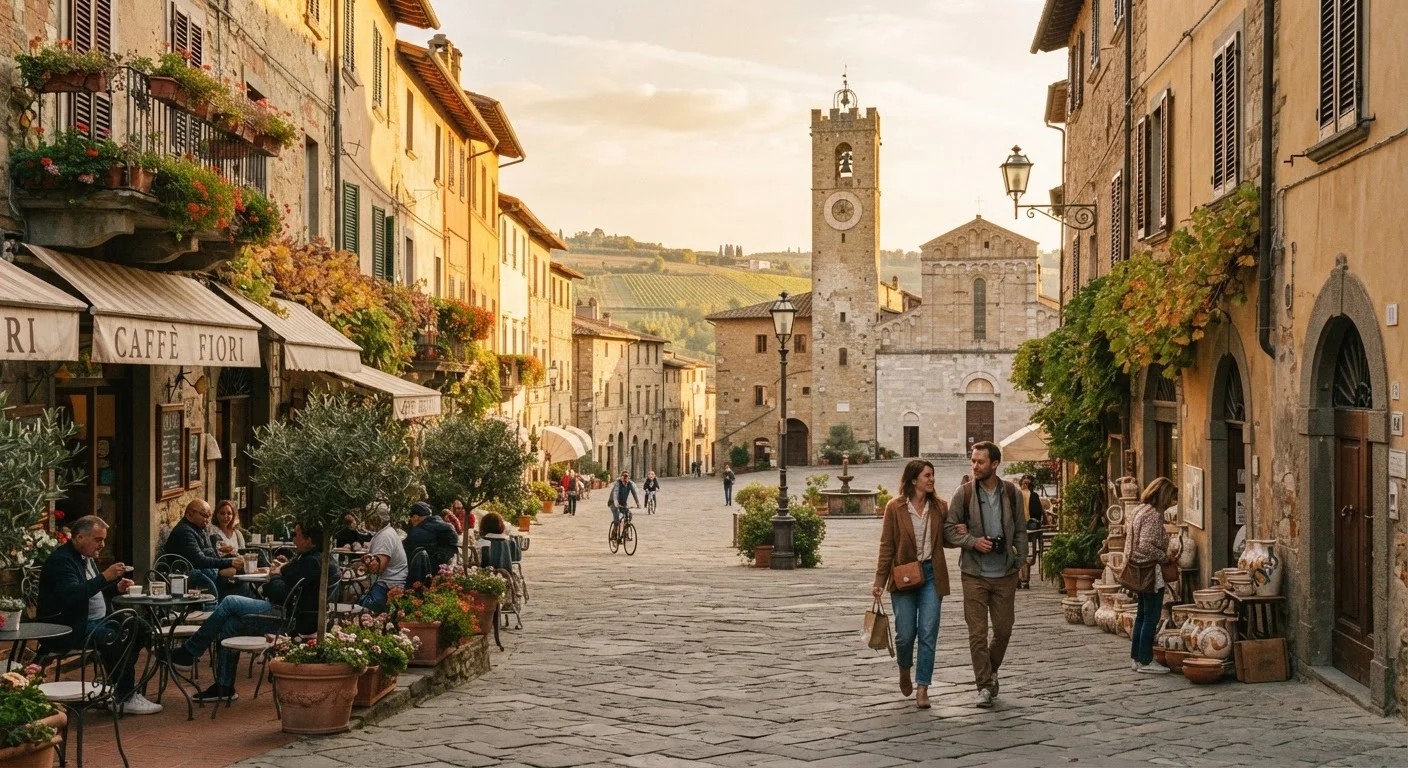
Photo: HorizonMetric.com | One Destination For Everyday Insights editorial
—— In This Article
Key Takeaways
- Shoulder season falls between peak and off-season, offering a balance of conditions most travelers find appealing.
- Crowds are typically thinner, which can improve access to popular attractions and accommodations.
- Weather during shoulder season is variable — research your specific destination before assuming it's ideal.
- Prices for flights and lodging often (though not always) trend lower than peak season rates.
- Shoulder season dates shift by destination — a European beach resort and a ski town have completely different timelines.
- Some attractions or services may operate on reduced hours or limited schedules during shoulder periods.
The Basic Idea: Three Seasons, Not Two
Most people think of travel in binaries — busy or quiet, expensive or affordable. But experienced travelers know there's a third window that often outperforms both extremes: shoulder season.
Think of any popular destination as having three distinct phases. Peak season is when demand is highest — schools are out, weather is considered ideal, and everyone wants to be there simultaneously. Off-season is the opposite extreme: the destination is at its quietest, often because conditions are genuinely challenging (cold, rainy, or hurricane-prone). Shoulder season is the overlap zone on either side of peak — close enough to enjoy reasonable conditions, but far enough out that the crowds haven't yet arrived or have already thinned.
Understanding this three-part framework is the foundation of smarter trip planning. It helps you ask the right question: not just where do I want to go, but when does that destination actually work best for my travel style?
~30%
Typical crowd reduction vs. peak season
Travel industry analyses frequently note visitor volume at major European destinations can drop by roughly a quarter to a third in shoulder months compared to peak summer weeks.
2
Shoulder seasons most destinations have
Most destinations experience two shoulder periods per year — one on either side of their primary peak season — each with slightly different weather and traveler profiles.
Why Shoulder Season Varies So Much by Destination
Here's where many travelers trip up: they assume shoulder season follows a tidy calendar. It doesn't. Shoulder season is defined by a destination's local rhythms, not a generic travel industry schedule.
A Caribbean island's shoulder season might fall in late spring and late fall — the windows before and after its peak winter months, when northern visitors flood south. A Scandinavian city's shoulder might be April–May or September, bracketing a summer peak when long daylight hours draw visitors from around the world. A ski resort's shoulder season might be October–November and April–May, flanking the winter powder months.
Local school holidays, national festivals, and even film or music events can compress or shift these windows. A regional holiday that draws domestic travelers can briefly spike prices and crowds even in what's nominally shoulder season. This is why destination-specific research always beats general rules. Common travel planning myths often include the assumption that shoulder season is universally predictable — it isn't.
Research Local Calendars, Not Just Climate
Before locking in shoulder season travel dates, check for regional public holidays, local festivals, and major events at your destination. A national holiday weekend can briefly recreate peak-season crowd and price conditions even in an otherwise quiet month. Your destination's official tourism website is usually the most reliable source for this kind of calendar detail.
What Shoulder Season Actually Delivers — and What It Doesn't
Shoulder season has a strong reputation for good reason, but it's worth being clear-eyed about what it actually offers versus what it can't promise.
What you can reasonably expect:
- Fewer crowds at major sites. Thinner visitor numbers mean shorter wait times, more breathing room at popular attractions, and a more authentic sense of a place.
- Greater accommodation availability. Hotels and vacation rentals that book out months in advance during peak season are often much more accessible.
- A more local atmosphere. When tourist volume drops, local life becomes more visible — markets, neighborhoods, and restaurants feel less staged.
What shoulder season doesn't guarantee:
- Perfect weather. Shoulder periods sit at seasonal transitions, meaning conditions can be genuinely mixed. A beautiful morning can become an afternoon downpour. Packing for variable weather becomes especially important when traveling shoulder season.
- Rock-bottom prices. While rates often trend lower, pricing depends on many factors beyond season — booking timing, demand surges, and currency fluctuations all play a role.
- Full access to everything. Some seasonal businesses, tours, or amenities run reduced operations. Always verify hours and availability directly.
How to Use This Knowledge in Your Planning
Understanding shoulder season is most useful when it informs your planning process — not just your mindset. Here's how to put it to work:
Start by researching your specific destination's climate calendar and identifying when its peak season falls. Then look at what the shoulder windows look like weather-wise — check historical averages, not just general descriptions. A destination's own tourism board often publishes seasonal breakdowns that are more accurate than generic travel guides.
Next, consider what you want from the trip. If your priority is a particular outdoor activity — hiking, snorkeling, cycling — confirm that activity is reliably available during the shoulder window you're considering. If it's a cultural experience, check whether festivals or events fall in that window, for better or worse. A well-structured itinerary helps shoulder season trips shine: building a flexible daily plan lets you adapt when shoulder weather doesn't cooperate without derailing the whole trip.
Finally, always verify current entry requirements, visa rules, and any travel advisories through official government sources before booking — these can change regardless of season. Understanding entry requirements is a step no traveler should skip, shoulder season or otherwise.
Shoulder season won't be right for every trip or every traveler. But for those willing to trade a little certainty for a lot more space, it's one of the most underrated strategic choices in travel planning.
Frequently Asked Questions

Travel Editorial Team
Travel Editorial Team is the collective byline for our editorial team and contributor network. Articles published under this byline or an editorial pen name are researched, written, and reviewed according to our editorial standards for clarity, consistency, and independence before publication.
View author profile