
Driving in Extreme Weather: What US Road Trippers Should Understand
Deserts, mountain passes, and tornado corridors all require different preparation. An overview of weather-related driving risks across US regions.
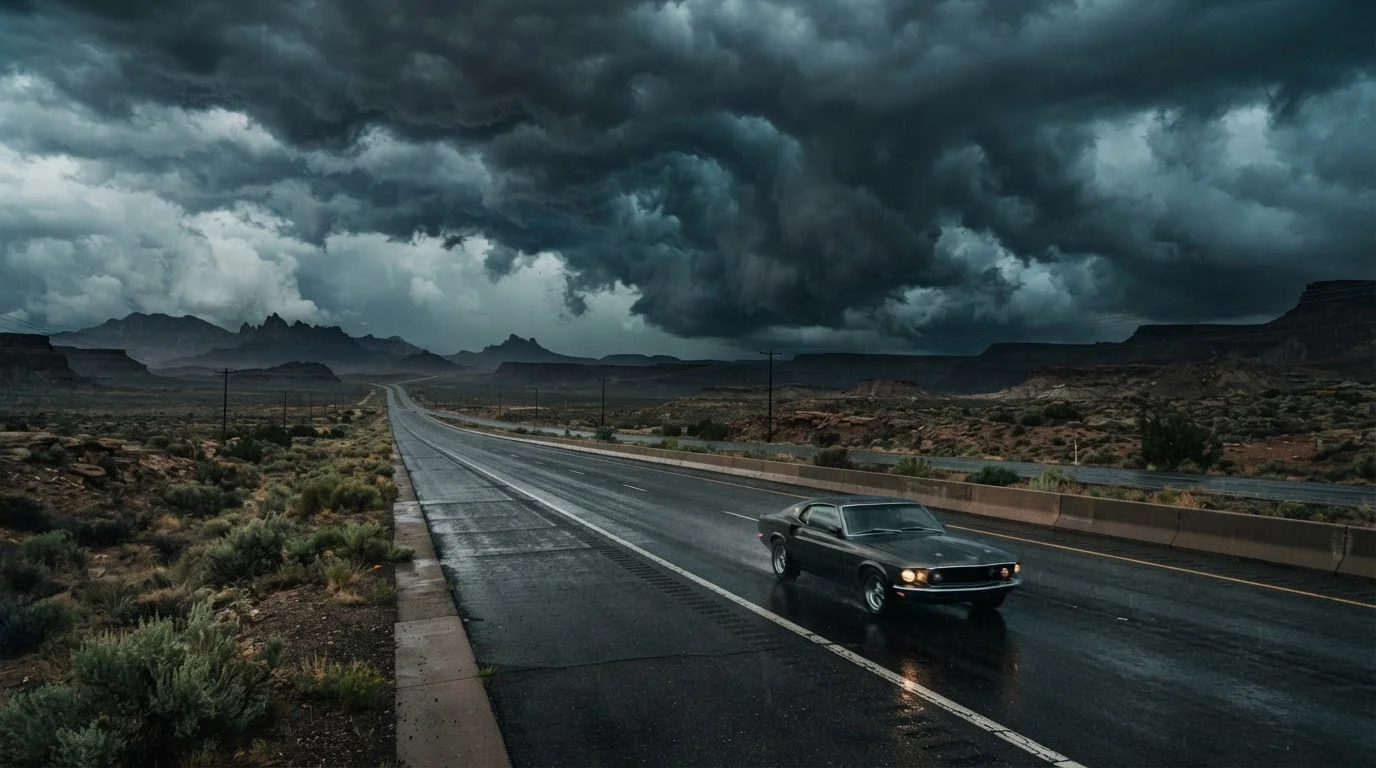
Photo: HorizonMetric.com | One Destination For Everyday Insights editorial
—— In This Article
Key Takeaways
- Different US regions pose distinct weather hazards — preparation varies by destination.
- Desert heat can cause tire blowouts, engine overheating, and rapid dehydration.
- Mountain passes bring sudden snowfall, ice, and altitude-related mechanical issues.
- Tornado Alley and Gulf states require awareness of storm season timing and shelter plans.
- Checking forecasts and road conditions before departure is a non-negotiable habit.
- A well-stocked emergency kit dramatically improves outcomes when conditions deteriorate.
Why Weather Awareness Is Non-Negotiable on US Roads
The United States spans climate zones so varied they'd fill an atlas on their own. A road tripper crossing from Phoenix to Denver in a single day can go from triple-digit desert heat to a sudden alpine snowstorm — sometimes within hours. That range is part of what makes American driving so thrilling, but it's also what makes weather literacy genuinely important.
Weather-related crashes account for a significant share of road fatalities every year in the US, according to data from the Federal Highway Administration. Rain, fog, ice, and high winds each create specific hazards that change how a vehicle handles, how long it takes to stop, and how clearly a driver can see. The good news: most weather-related risks are manageable with awareness and preparation.
21%
US crashes linked to weather conditions annually
The Federal Highway Administration estimates roughly 21% of all vehicle crashes in the US involve adverse weather as a contributing factor.
6 inches
Water depth that can stall most cars
NOAA notes that just 6 inches of fast-moving water can knock a person down, and 12 inches can carry away a small vehicle — making flooded roads a serious hazard.
1,200+
Tornadoes recorded in the US annually
The US averages more than 1,200 tornadoes per year, according to NOAA's Storm Prediction Center, with the Great Plains seeing the highest concentration.
Desert Driving: Heat, Sun, and Flash Floods
Driving through the American Southwest — the subject of our region-by-region Southwest orientation — means confronting intense heat that stresses both driver and vehicle. Asphalt surface temperatures can run 40–60°F hotter than air temperature, accelerating tire wear and increasing blowout risk. Check tire pressure when tires are cold, before departure, and keep an eye on your temperature gauge.
Flash floods are a less obvious desert threat. Summer monsoon rains in Arizona, Utah, and New Mexico can send walls of water through dry canyons with almost no warning. Never drive through a flooded road — it takes as little as 12 inches of moving water to sweep away a small car. Heed posted warnings, and if in doubt, wait it out.
Desert Driving Tip: Travel Early
In the Sonoran and Mojave deserts, plan to cover your longest stretches before noon. Midday heat peaks between 12 and 4 p.m. and is hardest on tires, cooling systems, and passengers alike. Starting at sunrise also rewards you with spectacular light and cooler temperatures for the best hours of the drive.
Mountain Passes: Snow, Ice, and Altitude
Rocky Mountain and Sierra Nevada passes can receive heavy snow even in late spring and early fall. Passes like Independence Pass in Colorado close seasonally, but others stay open through storms and demand serious caution. Black ice — a thin, nearly invisible layer of ice on pavement — forms readily when temperatures hover near freezing and moisture is present.
If you're crossing high elevations, confirm whether your route requires chains or all-season tires; some states enforce this during winter months. Drive at a reduced speed, avoid sudden braking or steering inputs, and maintain extra following distance. Altitude also affects turbocharged and older engines, so be prepared for reduced power climbing steep grades.
Mountain weather shifts fast. A clear morning at the base can become a whiteout at the summit by noon. Check the forecast for the pass elevation specifically — not just the nearest town.
The Great Plains and Tornado Alley
Spanning from Texas north through Nebraska, Tornado Alley sees more tornadoes than any region on Earth. Peak tornado season runs roughly April through June, though supercell thunderstorms can produce them outside that window. Driving through Kansas, Oklahoma, or the Texas Panhandle during storm season means keeping a weather radio or alert app active.
Severe thunderstorms in this region also bring large hail, which can shatter windshields and dent body panels within seconds. If hail begins, pull safely off the road — ideally under a sturdy overpass structure only as a last resort for hail, not tornadoes — and wait for it to pass. Wind gusts accompanying these systems regularly exceed 60 mph, enough to push a high-profile vehicle out of its lane.
Some underrated Plains driving routes are genuinely spectacular in good weather — the key is timing your travel and keeping a flexible itinerary when storm systems are in the forecast.
Fog, Rain, and Coastal Hazards
Pacific Coast Highway and stretches of the Gulf Coast regularly experience dense sea fog that drops visibility to near zero. Coastal fog tends to hug low-lying areas and burns off as the day warms, but it can be disorienting and dangerous in the early morning hours. Use low-beam headlights in fog — high beams reflect off moisture and actually reduce visibility further.
Heavy rain creates hydroplaning risk when tires lose contact with the road surface due to a film of water. Slow down, avoid cruise control on wet roads, and steer gently. Gulf Coast and Southeast states can also experience tropical storm remnants and sudden flooding well inland. Always verify road closures through your state's 511 system before heading out.
For a broader look at what road tripping actually involves beyond the cinematic version, our road trip myths article offers useful perspective for first-timers setting realistic expectations.
This article is for general informational purposes only. Always verify current road conditions, weather forecasts, and local safety advisories through official sources before traveling. Follow guidance from local authorities in any emergency.
Frequently Asked Questions

Travel Editorial Team
Travel Editorial Team is the collective byline for our editorial team and contributor network. Articles published under this byline or an editorial pen name are researched, written, and reviewed according to our editorial standards for clarity, consistency, and independence before publication.
View author profile