
Under-the-Radar Road Trip Stretches Worth Adding to Any US Itinerary
Beyond the famous highways, these lesser-known American driving corridors offer striking scenery and fewer crowds.
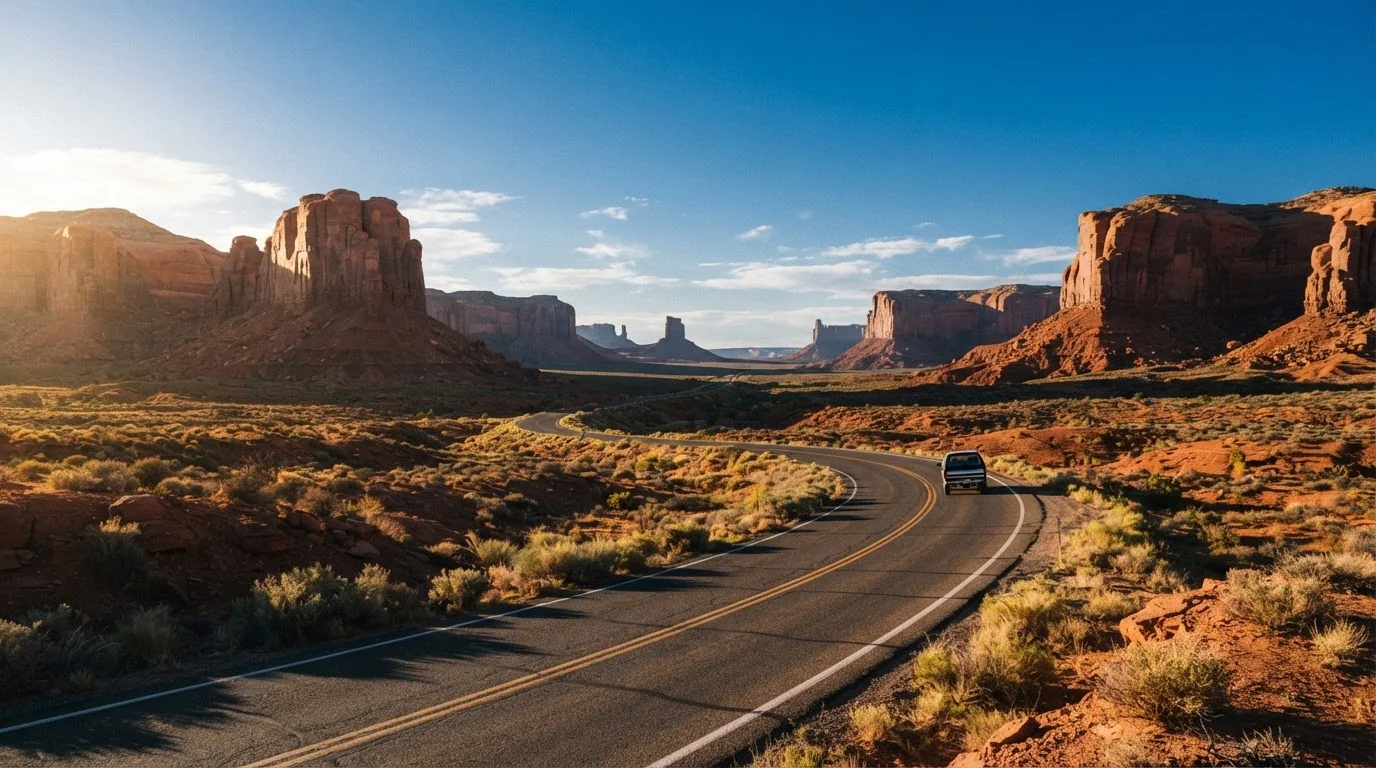
Photo: HorizonMetric.com | One Destination For Everyday Insights editorial
—— In This Article
Key Takeaways
- Several lesser-known US driving corridors rival famous highways in scenery but see far fewer visitors.
- Shorter, off-the-beaten-path stretches can slot neatly into longer existing road trip itineraries.
- Crowd levels, seasonal conditions, and road types vary significantly — always verify before you go.
- Regional food, small-town culture, and wildlife viewing often shine brightest on overlooked routes.
- Planning around shoulder seasons dramatically improves the experience on even obscure roads.
Why the Overlooked Roads Are Often the Best Roads
There's a reason road trippers keep chasing the same famous corridors — the Pacific Coast Highway and Route 66 earned their reputations. But those reputations come at a cost: summer traffic, packed viewpoints, and the subtle pressure of checking boxes rather than actually driving. The routes below don't show up on most highlight reels, which is exactly the point.
These stretches reward curiosity. They connect small cities with big scenery, pass through regions where regional character still runs deep, and give you the breathing room to stop on a whim. Think of them as premium additions to any itinerary — whether you're building a dedicated road trip or stitching a new segment onto a familiar route. For context on how these compare with America's legendary drives, see America's most iconic road trip routes explained.
US-50 Through Nevada: The Loneliest Road in America
Nevada's US-50 stretches roughly 400 miles across the state's vast basin-and-range terrain, earning its famous nickname from a Life magazine piece that called it bleak — which turned out to be the best advertisement it ever got. The landscape swings between alkali flats, mountain passes, and ghost towns that feel genuinely frozen in time. Austin, Eureka, and Ely each offer a real pause rather than a tourist stop. Cell service is limited and gas stations are widely spaced, so treat this like a backcountry drive even though it's a paved US highway.
US-50's vast emptiness is the attraction — prepare accordingly and it rewards handsomely.
The Natchez Trace Parkway: Mississippi to Tennessee
Running 444 miles from Natchez, Mississippi to Nashville, Tennessee, the Natchez Trace Parkway is a federally maintained road with no commercial traffic and no billboards. That alone makes it feel like a different era. The drive follows an ancient travel corridor used for centuries before paved roads existed, and the National Park Service preserves it with meticulous care. Milepost markers pull you off to cypress swamps, Native American mounds, Civil War sites, and hardwood forests draped in Spanish moss. Speed limits are low and that's a feature, not a flaw.
No commercial traffic, no billboards — the Natchez Trace offers one of the cleanest drives in the South.
Highway 12 in Utah: Red Rocks Without the Crowds
While Zion and Bryce Canyon draw enormous visitor numbers, Utah's Highway 12 connects them through scenery that arguably matches either park. The route passes through Grand Staircase-Escalante National Monument, climbs a narrow ridge called the Hogback with canyon drops on both sides, and rolls through the small town of Boulder — one of the last places in the continental US to receive mail by mule, historically speaking. It's about 124 miles of continuous visual drama. Visitors interested in lesser-visited national parks will find this corridor fits naturally into a wider Utah exploration.
Highway 12 links two famous Utah parks through scenery that deserves its own headline.
The Overseas Highway in Florida: Island-Hopping on Asphalt
US-1 from Florida City to Key West is a 113-mile string of causeways, bridges, and narrow island roads connecting the Florida Keys. The Seven Mile Bridge alone — suspended above open Gulf and Atlantic waters simultaneously — is one of the most unusual driving experiences in the country. The corridor trades national park grandeur for mangrove channels, fishing villages, and a deeply laid-back coastal pace. It's short enough to drive in half a day but rich enough to justify two or three. Go early in the morning to avoid the afternoon southbound traffic backup.
Driving the Florida Keys Overseas Highway means crossing ocean water on either side for seven consecutive miles.
Highway 2 Across the Northern Plains: Underrated Sweep
US-2 runs from the upper peninsula of Michigan all the way to Everett, Washington — passing through Montana's Glacier country and the wide open spaces of North Dakota that most travelers skip entirely. The stretch from Havre, Montana to Minot, North Dakota, in particular, crosses the Hi-Line, where grain elevators and prairie skies dominate a horizon that never seems to end. Badlands, Native American cultural sites, and small railroad towns punctuate the drive. If you appreciate the meditative quality of open-road driving, this stretch is genuinely undervalued. For broader planning context on interior versus coastal route styles, this stretch makes the case for going inland.
The Hi-Line across the Northern Plains trades ocean views for a sky so wide it changes how you think about space.
The Turquoise Trail in New Mexico: Route 66's Quieter Sibling
New Mexico's NM-14, known as the Turquoise Trail, runs about 50 miles between Albuquerque and Santa Fe through the Sandia and Ortiz mountain foothills. It's the scenic alternative to I-25 and takes roughly an hour longer — an hour well spent. The road threads through the former mining towns of Madrid and Cerrillos, both of which have transformed into small arts communities without losing their rough edges. Galleries, workshops, and local food stops line the way. It's short enough to add to almost any Southwest itinerary without disrupting your timeline, and pairs well with regional food discoveries in New Mexico.
The Turquoise Trail turns a one-hour interstate drive into a genuinely memorable afternoon detour.
Putting These Routes to Work in Your Itinerary
The best way to use these stretches isn't always as standalone destinations — it's often as connective tissue between places you're already visiting. A detour through the Loneliest Road adds texture to a Nevada crossing. The Natchez Trace slots naturally into any Deep South swing. None of these routes requires renting a specialized vehicle or weeks of preparation; they just require a willingness to deviate.
Build in Buffer Time on Unfamiliar Routes
Under-the-radar roads often have fewer services, slower speed limits, and more worthwhile stops than you'd expect from the map. When planning any of these stretches, road trips routinely take longer than the mileage suggests — factor in at least 20–30% more time than your navigation app estimates. Download offline maps and note fuel stop locations before you leave cell range.
Pair any of these drives with regional food stops that belong on any American road trip and you'll find that the small towns along each corridor are often the trip's most memorable moments. And if your itinerary brushes near public lands, planning a drive-through tour of America's public lands can help you layer in park visits efficiently. One practical reminder: always check current road conditions and entry requirements with official state and federal sources before departure, as access, fees, and seasonal closures change.

Travel Editorial Team
Travel Editorial Team is the collective byline for our editorial team and contributor network. Articles published under this byline or an editorial pen name are researched, written, and reviewed according to our editorial standards for clarity, consistency, and independence before publication.
View author profile