
America's Most Iconic Road Trip Routes, Explained
From Route 66 to the Pacific Coast Highway, here's what makes each of America's legendary driving corridors worth the miles.
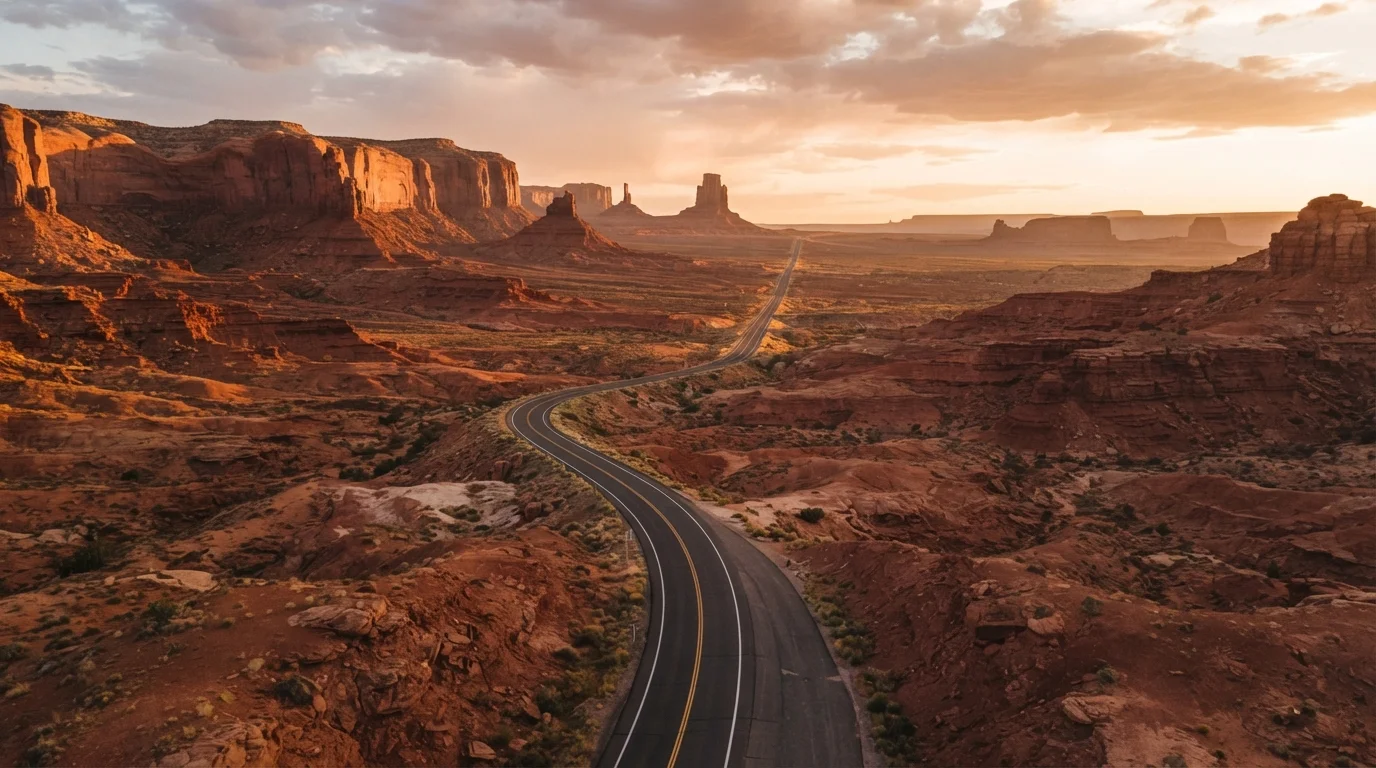
Photo: HorizonMetric.com | One Destination For Everyday Insights editorial
—— In This Article
Key Takeaways
- America's most celebrated road trip routes each offer a distinct combination of history, scenery, and regional culture.
- Route 66, the Pacific Coast Highway, the Blue Ridge Parkway, and US-1 are among the most recognized driving corridors in the country.
- Iconic routes are not always the fastest option — their value lies in the stops, detours, and slower pace they invite.
- Seasonal timing, road conditions, and permit requirements can vary significantly by route and region.
- Lesser-known byways often deliver comparable scenery with far fewer crowds than the headline routes.
Why These Routes Became Legendary
Not every road earns a place in American mythology. The routes that do share a few things in common: they tell a story, they connect dramatically different landscapes, and they reward the driver who slows down long enough to look around. America's iconic driving corridors didn't become famous because they were efficient — they became famous because of what you encounter along the way.
Route 66, for example, was commissioned in 1926 as one of the original US highway system routes. It became a lifeline during the Dust Bowl migration westward and later a symbol of postwar freedom and mobility. The Blue Ridge Parkway, built through the Appalachian highlands during the Great Depression as a public works project, now draws millions of visitors annually to its ridge-hugging curves and fall foliage. Each route carries layers of American history that no interstate can replicate.
“The road is there, it will always be there. You just have to decide when to take it.”
— Terry Tempest Williams, American author and conservationist
Understanding what makes a route iconic helps you choose the right one for your goals — and sets realistic expectations before you hit the gas.
The Routes Worth Knowing
Route 66 (Chicago to Santa Monica): Stretching roughly 2,400 miles through eight states, Route 66 passes through the Illinois plains, Oklahoma grasslands, Texas Panhandle, New Mexico high desert, and Arizona's painted landscapes before reaching the California coast. Much of the original road survives as a frontage or state road alongside I-40. The towns along it — Gallup, Winslow, Flagstaff — each carry their own distinct character. Regional food stops along this corridor range from New Mexico green chile to Oklahoma onion burgers.
Pacific Coast Highway (Route 1, California): Running along California's coastline, Route 1 offers arguably the most visually dramatic driving in the contiguous US — sheer cliffs, crashing surf, and redwood groves within a single day's drive. Planning a Pacific Coast Highway trip requires attention to seasonal closures, as portions of the road are vulnerable to storm damage and slides.
Blue Ridge Parkway (Virginia to North Carolina): At 469 miles through the Appalachian highlands, this is one of the most visited units of the National Park System. It's particularly celebrated in October, when hardwood foliage turns the ridgelines vivid orange and red. Speed limits are deliberately low — 45 mph maximum — designed to make the scenery the point.
US Highway 1 (Maine to Florida): The East Coast's original main street, US-1 runs the full length of the Eastern Seaboard, passing through Maine lobster towns, Boston's suburbs, the New Jersey Shore, the Florida Keys, and everything between. Unlike the others, it passes through dense urban areas as readily as rural ones, offering an unfiltered cross-section of Eastern American life.
469 miles
Length of the Blue Ridge Parkway
The Blue Ridge Parkway is one of the most visited units of the National Park System, according to National Park Service data.
~2,400 miles
Approximate length of Route 66
Route 66 spans eight states from Chicago, Illinois to Santa Monica, California along its original alignment.
655 miles
Length of California's Route 1 (PCH)
The Pacific Coast Highway runs along California's coastline, with the most dramatic sections between Big Sur and Morro Bay.
Choosing the Route That Fits Your Trip
Each iconic route suits a different kind of traveler and a different kind of trip. The Pacific Coast Highway rewards those who want concentrated visual drama in a shorter distance. Route 66 is for those who want immersion in Americana over two to four weeks. The Blue Ridge Parkway suits anyone who wants mountain air, hiking access, and a gentle pace without long desert stretches.
If you're weighing the tradeoffs between coastal views and interior landscapes more broadly, our comparison of coastal highway vs. interior routes walks through scenery, logistics, and trip style in detail. And if the headliner routes feel overexposed, lesser-known American driving corridors offer striking alternatives with significantly thinner crowds.
Plan for the Miles Between, Not Just the Highlights
The most memorable moments on iconic road trips often happen between the marquee stops — a roadside diner, an unexpected overlook, a small-town museum. Build buffer time into your itinerary so you're not racing from landmark to landmark. A loose schedule beats a rigid one on any long driving trip.
For trips built around national parks, the infrastructure and entry requirements deserve their own planning layer — see our guide to road tripping through America's public lands for practical detail on passes, timing, and crowd patterns.
Whatever route you choose, verify current road conditions, seasonal closures, and any reservation requirements with official sources before you leave. Conditions on famous routes change, and the open road rewards preparation as much as spontaneity.
Frequently Asked Questions

Travel Editorial Team
Travel Editorial Team is the collective byline for our editorial team and contributor network. Articles published under this byline or an editorial pen name are researched, written, and reviewed according to our editorial standards for clarity, consistency, and independence before publication.
View author profile