
National Parks by Road: Planning a Drive-Through Tour of America's Public Lands
A practical overview of building a road trip itinerary around US National Parks, including entry passes, timing, and crowd patterns.
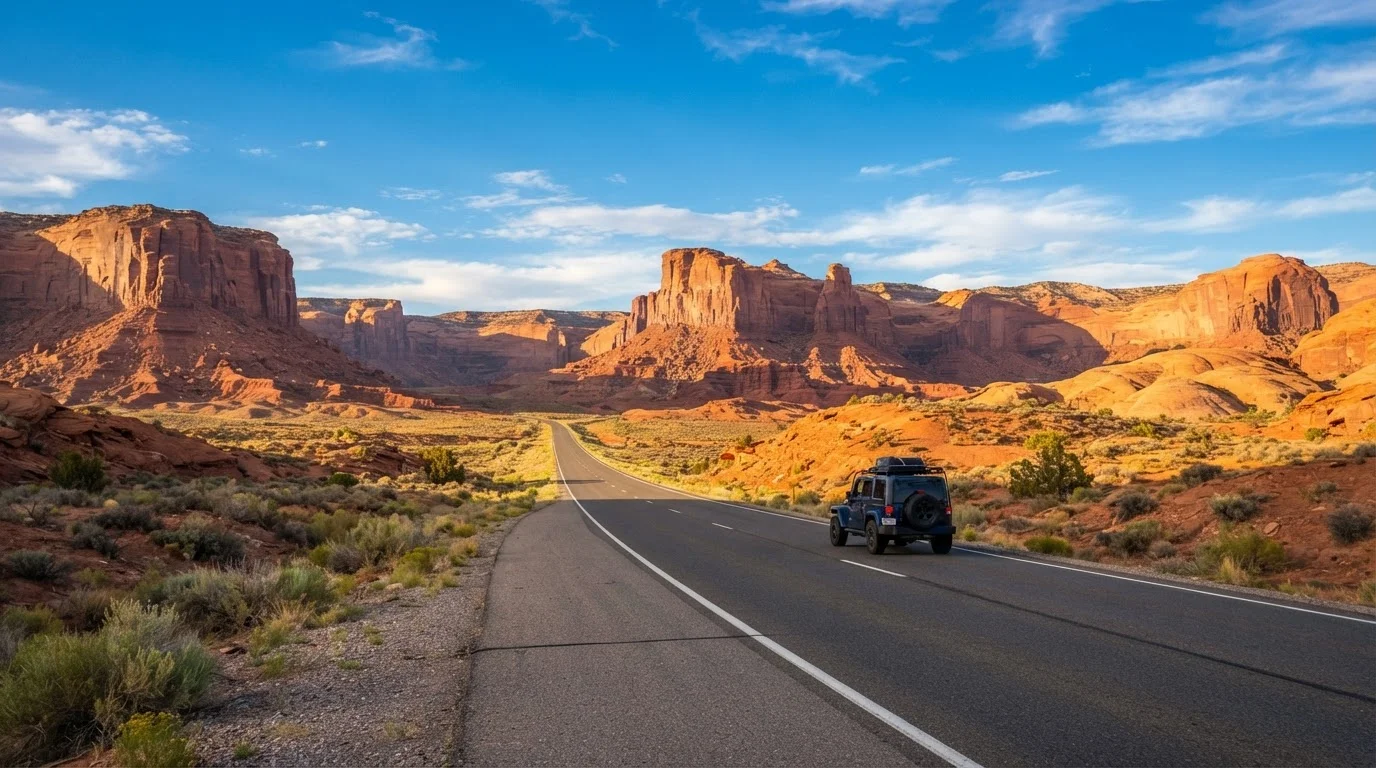
Photo: HorizonMetric.com | One Destination For Everyday Insights editorial
—— In This Article
Key Takeaways
- The America the Beautiful annual pass grants entry to over 2,000 federal lands for one flat fee.
- Shoulder seasons — spring and fall — offer smaller crowds and more available campsites.
- Timed-entry reservations are now required at many popular parks during peak season.
- Grouping geographically close parks saves drive time and stretches your trip budget further.
- Flexibility in your itinerary is as important as any single destination on the list.
Why a National Parks Road Trip Works So Well
America's 63 national parks span every major landscape — volcanic craters in Hawaii, old-growth temperate rainforest in the Pacific Northwest, glacier-carved peaks in the Rockies, and sun-scorched desert in the Southwest. What makes them especially well-suited to road tripping is geography: many of the most celebrated parks cluster within a day's drive of one another, forming natural circuits that reward a patient, curious traveler.
The Southwest is a classic example. Zion, Bryce Canyon, Capitol Reef, Canyonlands, and Arches all sit within a few hours of one another across Utah and northern Arizona — a concentration of landscapes that few places on Earth can match. Similarly, the northern Rockies link Glacier, Grand Teton, and Yellowstone along routes that feel like driving through a geography textbook come to life. For context on how these routes connect to America's larger driving culture, see America's Most Iconic Road Trip Routes, Explained.
Beyond the jaw-dropping scenery, national parks offer infrastructure that makes road-tripping practical: developed campgrounds, visitor centers with ranger programs, and well-maintained roads. That said, "drive-through" doesn't mean you should rush. Even a single afternoon at a park can be transformative if you arrive prepared.
What You Need Before You Go
What you will need
America the Beautiful Interagency Annual Pass
Covers entry fees at national parks and other federal lands for the pass holder and accompanying vehicle passengers.
Recreation.gov account
Used to book campsite reservations and timed-entry permits at many national parks.
Offline maps app (e.g., downloaded NPS maps or a dedicated offline mapping app)
Provides navigation in areas where cell service is unavailable inside park boundaries.
Portable power bank or vehicle inverter
Keeps devices charged during long drives through areas without electrical hookups.
National Park Service app
Offers downloadable park maps, trail information, and ranger program schedules for dozens of parks.
Before mapping your route, get your logistics sorted. Entry fees at individual parks can add up quickly — a single-vehicle pass at a popular park often runs $35 or more. If you plan to visit three or more fee-charging federal lands in a year, the America the Beautiful Interagency Annual Pass is almost always the more economical choice. It covers the pass holder and accompanying passengers at national parks, national forests, BLM lands, and more. Passes are available at park entrance stations or through the US Geological Survey's online store.
Once your pass is sorted, research reservation requirements early. A growing number of parks — including Yosemite, Rocky Mountain, and Acadia — now require timed-entry permits during peak season. These are separate from campsite reservations and typically release on a rolling basis weeks in advance. Check each park's official National Park Service page (nps.gov) for current requirements, as policies change seasonally.
Building Your Route: Clusters and Corridors
The most satisfying national parks road trips are built around geographic clusters rather than lists of famous names. Chasing marquee parks across opposite corners of the country burns time and fuel without giving you room to breathe at any single destination.
Start by picking a region that excites you, then identify two to four parks within it. From there, build a loose day-by-day framework — not a rigid minute-by-minute plan — with drive distances that feel comfortable. A reasonable rule of thumb: try not to spend more than four hours driving on any single day if you also want meaningful time inside a park.
Don't overlook National Monuments, National Recreation Areas, and National Forests along the way. These lands often sit right on the route between major parks, charge little or no entry fee, and see far fewer visitors. For inspiration on adding those between-destination gems, explore under-the-radar road trip stretches that make the miles between parks just as rewarding.
Mix Park Sizes for a Richer Experience
Pairing a high-profile mega-park with a smaller, quieter neighbor often makes for a more balanced trip. Smaller parks and national monuments along the same corridor typically offer solitude, unique geological features, and the chance to feel like you've discovered something on your own. See our guide to national parks Americans keep overlooking for ideas.
If the Southwest calls to you, our American Southwest road trip orientation guide breaks down distances, climate zones, and realistic expectations by region — essential reading before you plan any Utah-Arizona loop.
Timing: When to Go and Why It Matters
Summer is peak season at virtually every major park, which means crowded trailheads, full campgrounds, and long entrance queues. If your schedule allows any flexibility, late April through early June and September through October offer a significantly calmer experience — and often more dramatic light and color. Spring wildflowers in the desert and autumn foliage in the Rockies are experiences that rival anything summer offers.
Winter visits are underrated at parks that stay accessible year-round. Saguaro and Big Bend see mild, pleasant temperatures while most of the country shivers. Crater Lake and Bryce Canyon take on an entirely different character under snow. Always confirm road and facility status directly with the park before a winter visit, as some roads and amenities close seasonally.
Always Verify Entry and Permit Rules Before You Arrive
Park entry policies, timed-entry permit systems, and campground reservation windows change frequently. Showing up without a required permit during peak season may mean being turned away at the entrance gate. Check nps.gov and recreation.gov within two weeks of your departure date to confirm nothing has changed since you booked.
For travelers drawn to lesser-visited national parks, timing your visit outside peak summer months compounds the benefit — fewer crowds at already-quiet destinations makes for an exceptionally peaceful trip.
On the Road: Pacing, Flexibility, and Realistic Expectations
The most common mistake on a national parks road trip is over-scheduling. A packed itinerary that hits seven parks in eight days leaves you exhausted and under-impressed — you've seen every park through a windshield rather than on foot. Give yourself at least one full day per major park, and build in at least one rest day per week with no driving requirements.
Fuel, connectivity, and services can be sparse between parks in the rural West. Top off your tank whenever you're in a town, keep a printed or downloaded offline map as a backup, and carry more water than you think you need. Cell coverage is genuinely nonexistent in many park interiors.
Over-Scheduling Is the Biggest Road Trip Mistake
Cramming too many parks into too few days is the single most common complaint among national parks road trippers. Rushing through five parks in a week means you've seen none of them meaningfully. Give yourself room to linger, and your trip will reward you far beyond any checklist.
Flexibility is your most valuable trip asset. Weather, road closures, and wildfire smoke can alter plans without warning. Build buffer days into your itinerary and treat detours as discoveries rather than setbacks. For broader trip planning guidance, including packing and budgeting strategies, our trip planning hub has you covered.

Travel Editorial Team
Travel Editorial Team is the collective byline for our editorial team and contributor network. Articles published under this byline or an editorial pen name are researched, written, and reviewed according to our editorial standards for clarity, consistency, and independence before publication.
View author profile