
Everything Gardeners Get Wrong About Watering
From watering at night to the daily watering habit — several popular beliefs about irrigation are flat-out wrong. Here's what the evidence says.
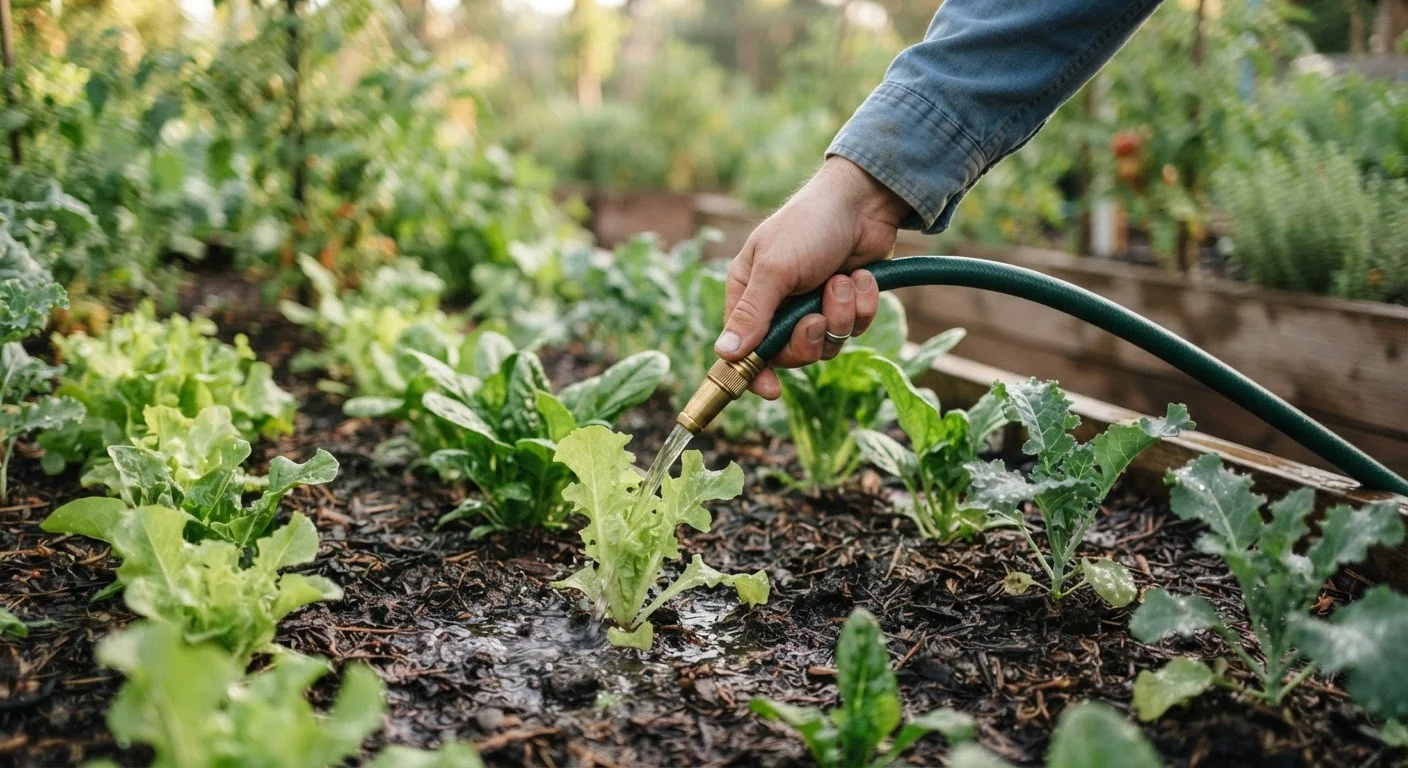
Photo: HorizonMetric.com | One Destination For Everyday Insights editorial
—— In This Article
Key Takeaways
- Watering deeply and infrequently encourages stronger, deeper root systems than daily light watering.
- Morning is the best time to water — evening watering leaves foliage wet overnight, inviting disease.
- Wilting doesn't always mean a plant is thirsty; overwatering causes the same drooping symptoms.
- Healthy soil structure determines how well plants use the water they receive.
Why Watering Habits Are So Hard to Correct
Watering the garden feels instinctive — plants need water, so you give them water. But intuition leads many gardeners into habits that quietly stress their plants, waste resources, and even cause root damage. Most of these habits are passed down from well-meaning advice that was never grounded in how plants and soil actually work.
Understanding the common mistakes — and why the corrections make biological sense — is the fastest way to improve your garden's health. The myths below address the most widespread misbeliefs, from daily watering schedules to the idea that drooping plants are always thirsty. For a deeper look at what's happening beneath the surface, see our guide to soil health — because how water moves through your soil matters just as much as when you apply it.
Myth
You should water your garden every single day to keep plants healthy.
Fact
Most established plants thrive with deep, infrequent watering — typically once or twice a week — rather than shallow daily sessions.
Frequent shallow watering keeps moisture near the surface, so roots have no reason to grow deep into the soil. Shallow roots make plants more vulnerable to heat, drought, and wind. Watering deeply — slowly soaking the root zone — then allowing the top inch or two of soil to dry before watering again encourages roots to follow moisture downward, building a more resilient plant. The right frequency depends on your climate, soil type, and plant species, but daily watering is rarely necessary for established garden plants.
Myth
Watering in the evening is fine — it's cooler and less water evaporates.
Fact
Evening watering leaves foliage wet overnight, creating conditions favorable for fungal disease. Morning watering is strongly preferred.
The logic behind evening watering seems sound — less sun means less evaporation. But wet leaves sitting in cool, still nighttime air are a prime environment for fungal pathogens like powdery mildew and botrytis. Morning watering allows foliage to dry as the day warms and is breezy enough for evaporation. If morning watering isn't practical, focus the water directly at the soil and root zone using drip irrigation or a soaker hose to keep leaves dry regardless of timing.
Myth
If a plant is wilting, it definitely needs water immediately.
Fact
Wilting can be caused by both underwatering and overwatering — checking the soil moisture first is essential before adding more water.
Overwatered soil becomes waterlogged, which drives oxygen out of the root zone. Without oxygen, roots begin to rot and lose their ability to take up water — causing the plant to wilt even as the surrounding soil is soaking wet. Adding more water in this state accelerates the damage. Always check the soil at root depth before watering a wilting plant. If the soil is wet, the plant may need the opposite of what you'd expect: improved drainage and a chance to dry out.
Myth
Sprinklers are the most efficient way to water a garden.
Fact
Overhead sprinklers can waste significant water through evaporation and runoff; targeted methods like drip irrigation deliver water far more efficiently.
Overhead sprinklers apply water broadly, wetting paths, bare soil, and foliage rather than delivering it where roots actually are. In warm or windy weather, a meaningful portion evaporates before it reaches the ground. Drip irrigation and soaker hoses apply water slowly and directly to the root zone, reducing water use and minimizing foliar wetness. While sprinklers have their place — especially for lawns — vegetable gardens and flower beds generally benefit from more targeted delivery.
Myth
More water always means faster, bigger plant growth.
Fact
Excess water stresses plants by displacing oxygen in the soil and promoting root rot, which stunts rather than speeds growth.
Plant roots need both water and oxygen to function. When soil stays saturated for extended periods, the air pockets that normally hold oxygen are filled with water. This leads to anaerobic conditions where beneficial soil microbes die and harmful pathogens thrive. Root rot — a common result — cuts off a plant's ability to absorb nutrients and moisture, leading to yellowing leaves, stunted growth, and eventually plant death. Consistent, appropriate watering outperforms generous but excessive watering every time.
Practical Strategies for Smarter Irrigation
Once you've identified what not to do, a few evidence-backed habits can transform your results. The goal is to water in a way that builds plant resilience rather than dependence.
50%
Outdoor water use lost to inefficiency
The U.S. Environmental Protection Agency estimates that as much as 50% of outdoor irrigation water is wasted due to evaporation, wind, or overwatering.
2×
Deeper roots from infrequent deep watering
University extension research consistently shows that deep, infrequent watering produces root systems that penetrate significantly deeper into the soil than daily shallow watering.
- Water at the root zone. Direct water toward the base of plants rather than broadcasting it across leaves. Drip lines or soaker hoses are particularly effective for this.
- Check soil before watering. Insert your finger two inches into the soil. If it's still moist, hold off. A simple soil moisture meter can take the guesswork out entirely.
- Mulch generously. A two- to three-inch layer of organic mulch over the root zone significantly slows evaporation, reducing how frequently you need to water.
- Adjust for the season. Plants need far less water during cool, cloudy, or humid stretches than during hot, dry spells. A fixed schedule ignores these natural cues.
If you're planning a garden layout that affects your irrigation strategy, it's worth reviewing how raised beds compare to in-ground plots — drainage characteristics differ substantially between the two. And if you're in a drier region, the principles behind drought-tolerant landscaping can help you design a yard that thrives on far less water to begin with.
Don't Ignore Signs of Overwatering
Yellowing leaves, a musty smell near the soil, and persistently soggy ground are warning signs that your garden is getting too much water — not too little. Continuing to water on a fixed schedule regardless of conditions is one of the most common ways gardeners inadvertently damage healthy plants. When in doubt, always check the soil before reaching for the hose.

Home Editorial Team
Home Editorial Team is the collective byline for our editorial team and contributor network. Articles published under this byline or an editorial pen name are researched, written, and reviewed according to our editorial standards for clarity, consistency, and independence before publication.
View author profile