
Starting a Vegetable Garden From Zero
Never grown food before? This beginner-friendly guide walks you through plot selection, soil prep, planting, and your first harvest.
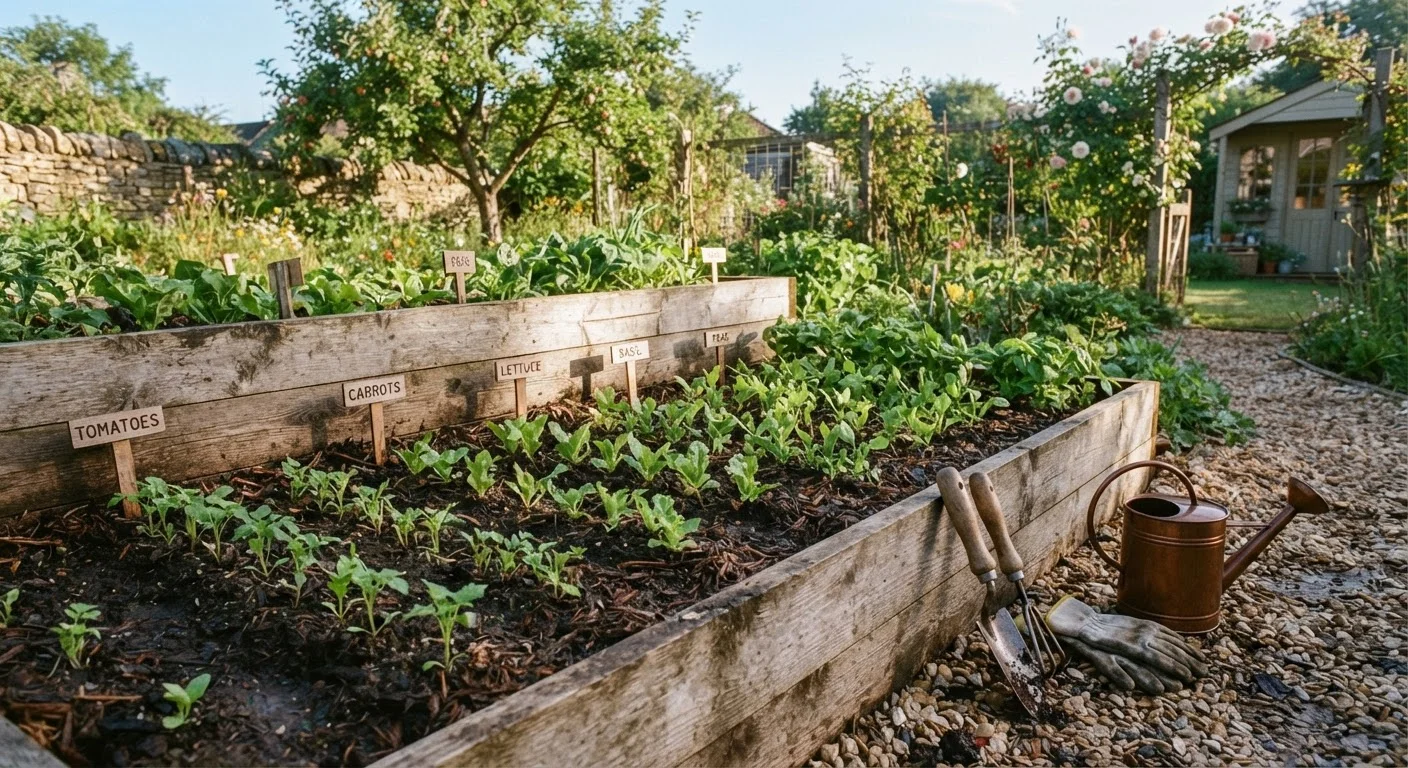
Photo: HorizonMetric.com | One Destination For Everyday Insights editorial
—— In This Article
Key Takeaways
- At least six hours of direct sunlight per day is the single most important factor in plot selection.
- Improving your native soil with compost before planting dramatically increases your chances of success.
- Beginners do best starting with just three to five fast-maturing, forgiving vegetables.
- Consistent, deep watering at the soil level is more effective than frequent light sprinkling.
- Your first season is a learning experience — every observation makes next year's garden stronger.
Choosing Your Plot and Understanding Your Space
Before buying a single seed packet, spend a few days observing your outdoor space. The single most critical factor for vegetables is sunlight — most food crops need at least six hours of direct sun per day, and eight hours is even better. Walk your yard at different times and note which areas stay sunny and which fall into shade from fences, trees, or the house itself.
Beyond light, consider water access and drainage. A plot far from your hose connection becomes a chore in dry stretches. Check whether water pools after heavy rain — soggy soil suffocates roots. Use this outdoor space assessment checklist to systematically evaluate sun exposure, drainage, and frost dates before you commit to a location.
Proximity to your kitchen also matters more than most beginners expect. A garden you can glance at from a window and reach quickly for herbs or a quick harvest is a garden you'll actually tend.
Container and Raised-Bed Options
If your yard has limited sunny ground space, containers on a sunny patio or balcony are a legitimate and productive alternative. Raised beds are another popular option that gives you full control over soil quality from day one. Both approaches have their own considerations — see the dedicated guide on matching gardening approaches to your space for a full comparison.
Building Healthy Soil Before You Plant
Healthy vegetables grow from healthy soil. Most American yards have native soil that ranges from acceptable to quite poor for food growing — heavy clay, sandy loam, or compacted subsoil exposed by construction are all common. The good news: soil can be improved, and the investment pays dividends for years.
Start by loosening the top 10–12 inches of soil with a garden fork or tiller. Then work in 2–3 inches of compost — decomposed organic matter that improves drainage, adds slow-release nutrients, and feeds the microorganisms vegetables depend on. Compost is available at garden centers or, if you're planning ahead, you can make your own. For a deeper look at composting and alternative setups like raised beds and containers, see this guide to matching gardening methods to your space.
A simple soil pH test (available at garden centers for a few dollars) can tell you whether your soil is too acidic or alkaline for most vegetables, which prefer a pH between 6.0 and 7.0. Lime raises pH; sulfur lowers it — both are inexpensive and easy to apply.
Compost
Decomposed organic material (food scraps, leaves, yard waste) that improves soil structure, adds nutrients, and supports beneficial soil organisms when mixed into garden beds.
Frost date
The average date of the last spring freeze or first fall freeze in your area, used to time when it's safe to plant cold-sensitive crops.
Direct sowing
Planting seeds directly into the garden bed rather than starting them indoors or buying transplants. Works best for crops that don't like having their roots disturbed.
pH
A measure of how acidic or alkaline your soil is, on a scale of 0–14. Most vegetables grow best in soil with a pH between 6.0 and 7.0.
Mulch
A layer of material (straw, wood chips, leaves) spread on the soil surface to retain moisture, suppress weeds, and regulate soil temperature.
Transplant
A young plant started indoors or in a greenhouse and then moved into the garden — a common way to get a head start on slow-maturing crops like tomatoes and peppers.
Picking the Right Vegetables to Start With
Resist the urge to plant everything that looks appealing in the seed catalog. A focused first garden teaches you more and produces better results than an ambitious one that becomes unmanageable. Aim for three to five crops that match your climate, your cooking habits, and your patience level.
Reliable beginner choices include:
- Lettuce and salad greens — fast-maturing, grow well in partial shade, and can be harvested leaf by leaf over weeks.
- Radishes — ready in as little as 25 days, a satisfying confidence-builder for new growers.
- Green beans (bush variety) — low-maintenance, no staking required, prolific producers.
- Zucchini — almost famously productive; one or two plants is usually enough for a family.
- Cherry tomatoes — more forgiving than large slicing types, and rewarding to harvest.
Connecting your garden to what you actually cook makes every harvest more meaningful. Browsing cooking basics can help you think about what fresh ingredients you'll actually use.
Match Your Garden to Your Kitchen
Before finalizing your plant list, think about what vegetables your household actually enjoys eating. A garden full of produce you don't know how to cook can feel wasteful and discouraging. Start with crops you already buy at the grocery store — growing something familiar makes the harvest immediately rewarding.
Planting, Watering, and Caring for Your Garden
Follow the spacing and depth instructions on each seed packet or transplant tag — crowding is one of the most common beginner mistakes and leads to poor airflow, disease, and competition for nutrients. Some crops, like tomatoes and peppers, are easier to start as transplants purchased from a nursery. Others, like beans, radishes, and squash, grow best direct-sown (planted directly into the garden bed).
Water is non-negotiable, but technique matters. Water deeply and at soil level rather than lightly sprinkling leaves. Deep watering encourages roots to reach down into moisture reserves, making plants more resilient during dry spells. Aim for about one inch of water per week total. A simple rain gauge helps you track natural rainfall so you don't overwater.
Mulch — a 2–3 inch layer of straw, wood chips, or shredded leaves around plants — is one of the highest-return tasks in the garden. It suppresses weeds, retains soil moisture, and moderates soil temperature. Apply it after planting and top it up as it breaks down.
Watch for common issues: yellowing leaves can signal overwatering, underwatering, or nutrient deficiency. Holes in leaves often mean insect pests. Catching problems early, before they spread, keeps your garden healthier without requiring heavy intervention.
Don't Overwater — It's a Common Mistake
More vegetable gardens fail from overwatering than underwatering. Constantly wet soil deprives roots of oxygen and encourages rot and fungal disease. Before watering, push your finger an inch into the soil — if it still feels moist, wait another day. Erring on the side of slightly dry is almost always safer than staying soggy.
Harvesting and Building on Your First Season
Harvest regularly — most vegetables produce more when picked frequently. Leaving zucchini or beans on the plant too long signals the plant to slow production. Pick lettuce leaves from the outside, allowing the center to keep growing. For tomatoes, wait until fruit is fully colored and slightly soft to the touch.
Keep a simple garden journal this first season: note what you planted, when, how it performed, and what you'd do differently. These notes are invaluable when planning next year's garden, and they transform trial and error into genuine expertise.
Fresh vegetables from your own garden naturally inspire more cooking from scratch. Exploring nutrition and diet guidance alongside your harvest can help you make the most of what you grow. And if the organizational side of managing a productive garden feels daunting, the same systems that help with home organization — starting small, building habits, expanding gradually — apply surprisingly well to gardening too.
Your first season won't be perfect, and it doesn't need to be. Every experienced gardener has stories of failures that taught them something valuable. What matters is that you started.
Frequently Asked Questions

Home Editorial Team
Home Editorial Team is the collective byline for our editorial team and contributor network. Articles published under this byline or an editorial pen name are researched, written, and reviewed according to our editorial standards for clarity, consistency, and independence before publication.
View author profile