
Common Smart Home Myths That Lead People to Buy the Wrong Things
From "all devices work together" to "smart homes are only for tech experts" — separating smart home fact from fiction.
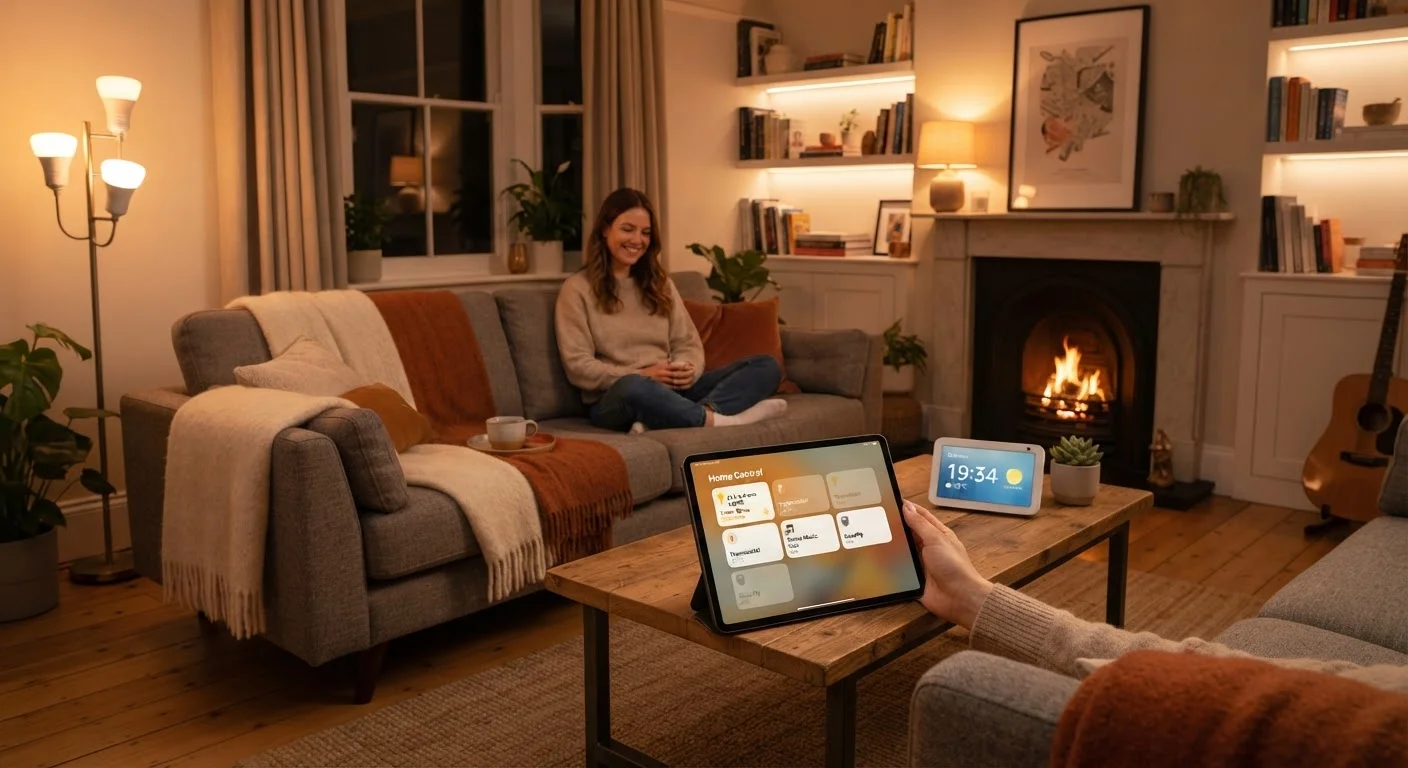
Photo: HorizonMetric.com | One Destination For Everyday Insights editorial
—— In This Article
Key Takeaways
- Not all smart devices work together automatically — compatibility depends on platforms and standards.
- Smart homes don't require a large budget or a tech background to set up and use.
- More devices don't always mean a better or more reliable smart home experience.
- Smart home devices do not automatically make your home more secure from hackers.
- Voice control is just one option — most smart devices work fine without it.
Why Smart Home Myths Cost People Real Money
Smart home technology has become genuinely affordable and widely available. But the marketing around it — and word-of-mouth advice from early adopters — has created a set of stubborn myths that lead ordinary people to buy the wrong devices, set up frustrating systems, or avoid smart home tech altogether when it could actually help them.
These myths don't come from nowhere. Some were true years ago and simply haven't been updated. Others are wishful thinking baked into product marketing. And a few stem from the very real complexity of connecting devices made by different companies. Let's clear them up one by one.
If you're just getting started, see our step-by-step guide to setting up a smart home from scratch — it walks through the basics without assuming any prior experience.
Myth
All smart home devices work together — if it's smart, it'll connect to everything else I already own.
Fact
Compatibility is not guaranteed and depends on which platform or communication standard each device supports.
Different manufacturers build devices around different ecosystems — Amazon Alexa, Google Home, Apple HomeKit — and not every device supports every platform. Even within ecosystems, specific features may not transfer between brands. A newer industry standard called Matter aims to improve cross-brand compatibility, but not all older devices support it, and adoption is still ongoing. Before purchasing, check which platforms a device officially supports and whether they match what you already use at home.
Myth
Smart homes are complicated to set up and really only for tech-savvy people.
Fact
Many smart home devices are designed specifically for non-technical users and can be set up in minutes using a smartphone app.
Smart plugs, smart bulbs, and smart speakers from major manufacturers are deliberately designed to be self-installed with guided apps. You don't need to understand networking, code anything, or hire a professional for most basic setups. Complexity tends to creep in when people try to connect many devices from many different brands at once — which is a setup choice, not an inherent feature of smart home tech. Starting with one or two devices makes the learning curve very manageable.
Myth
A smart home automatically makes my house more secure from break-ins and cyberattacks.
Fact
Smart security devices can add useful features, but they also introduce new vulnerabilities if not set up and maintained properly.
A smart lock or doorbell camera does offer real-world benefits — remote monitoring, activity logs, keyless access. But every connected device is also a potential entry point on your home network. Weak passwords, skipped firmware updates, and devices bought from manufacturers with poor security track records all create risk. Smart home devices improve physical monitoring but require active upkeep to stay secure digitally. Neither outcome — safer or less safe — is automatic.
Myth
You need to control everything by voice for smart home tech to be worth it.
Fact
Voice control is optional — most smart home devices work just as well through apps, schedules, or automations.
Voice assistants get the most marketing attention, but they're one control method among several. Smart devices can be controlled through smartphone apps, set to run on automatic schedules (like turning lights off at 10 p.m. each night), or triggered by sensors (like a motion-activated porch light). Many people find app-based or schedule-based control more reliable and less frustrating than voice commands, especially in noisy environments or for tasks requiring precision. You don't need to own a smart speaker at all to benefit from smart home devices.
Myth
More smart devices always means a smarter, more efficient home.
Fact
Adding too many devices — especially from different ecosystems — often creates reliability problems and management headaches.
A crowded smart home can become harder to manage than a simple one. Each device needs to be set up, maintained, updated, and occasionally troubleshot. Devices from different brands may not play well together, and your home Wi-Fi router has a finite number of connections it handles well. Energy savings from smart devices are also modest and depend heavily on your habits and the devices you replace. Adding devices strategically — where they solve a specific problem — tends to deliver better results than building out for its own sake.
The Security and Privacy Reality Check
Beyond compatibility and cost myths, security misconceptions are among the most consequential — because believing them can leave your home network genuinely exposed.
Smart Devices Don't Secure Themselves
A common and costly assumption is that smart home devices handle their own security once set up. In reality, many devices ship with weak default passwords and only receive security updates if you actively install them. Treat every smart device like any other account: change the default password immediately, and check periodically for firmware updates. Leaving defaults in place is one of the most common ways home networks get compromised.
Every connected device you add to your home is a potential entry point. That doesn't mean you should avoid smart home tech, but it does mean paying attention to basics like strong Wi-Fi passwords, keeping device firmware updated, and using a separate guest network for smart devices when possible. Our overview of home network security habits covers these steps in plain language.
57%
Smart home device owners who changed default passwords
Consumer research consistently finds that a majority of smart device owners never change factory-default passwords, leaving devices more vulnerable to unauthorized access.
1 in 3
Households with at least one smart home device
Industry surveys suggest roughly a third of U.S. households own at least one smart home device, indicating these products have moved well into mainstream adoption.
Smart home devices are not inherently unsafe, but they're not automatically secure either. The steps that protect you are straightforward and don't require an IT background.
Making Smart Home Choices That Actually Work for You
The biggest mistake most people make isn't choosing the wrong brand — it's buying too much at once based on an idealized picture of how it will all work together. A single smart thermostat or a handful of smart plugs can deliver real convenience without requiring you to overhaul your entire home.
Compatibility between devices from different manufacturers has genuinely improved in recent years, partly due to a shared standard called Matter — but it isn't perfect yet. Our detailed look at getting smart home devices from different brands to work together explains how these standards affect real setup decisions.
If you've been hesitant because you don't consider yourself tech-savvy, that hesitation may be based on outdated assumptions. Check out our guide to smart home devices for people who don't consider themselves tech-savvy for a realistic starting point.
Avoid Buying Devices Before Checking Compatibility
Returning smart home devices is often difficult once packaging is opened, and restocking fees are common. Before purchasing any smart home device, confirm it supports the platform or ecosystem you already use — check the manufacturer's official compatibility list, not just the packaging. Buying first and checking later is the single most avoidable smart home mistake.

Technology Editorial Team
Technology Editorial Team is the collective byline for our editorial team and contributor network. Articles published under this byline or an editorial pen name are researched, written, and reviewed according to our editorial standards for clarity, consistency, and independence before publication.
View author profile