
Reading a Skincare Label Without Getting Lost in the Jargon
Ingredient lists can feel like a chemistry exam. Here's how to decode what's actually in a product — and what positions on the label really mean.
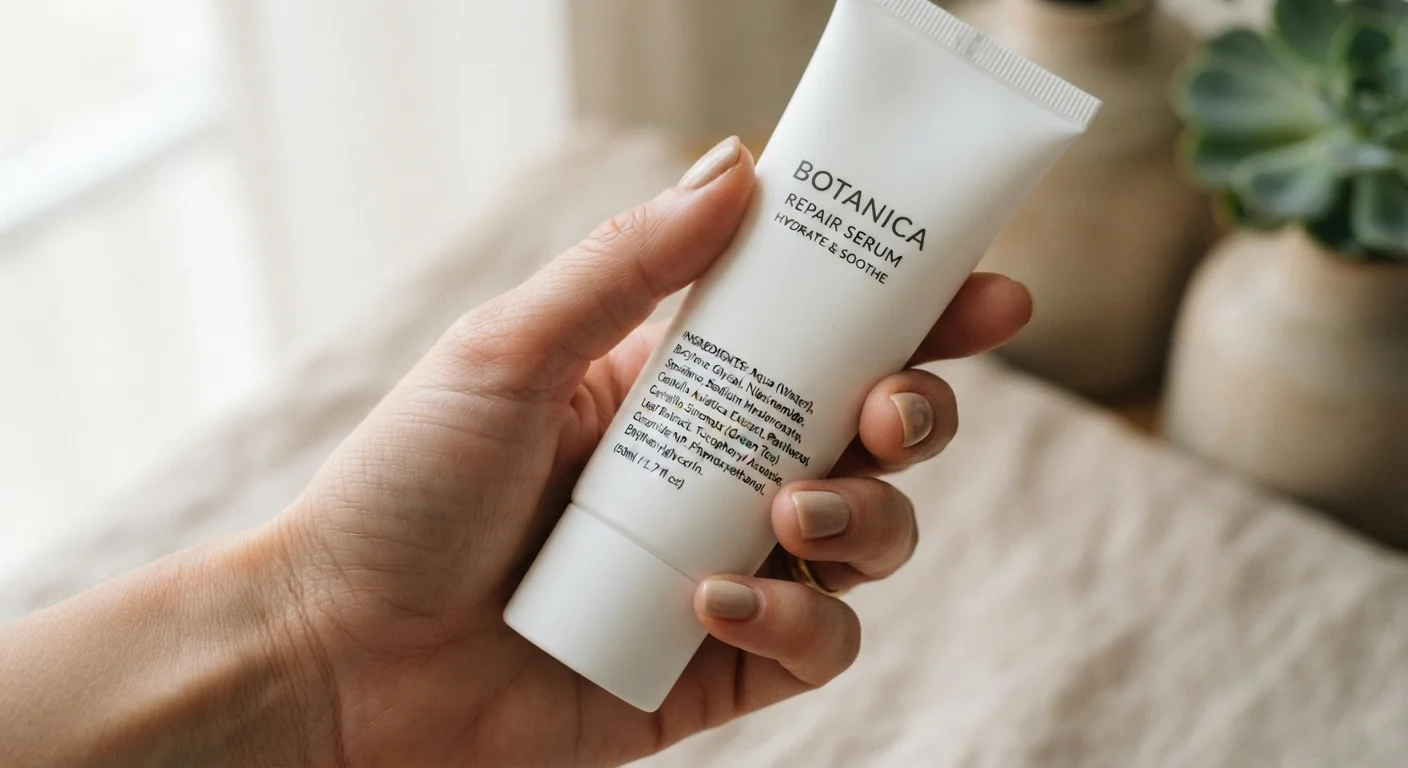
Photo: HorizonMetric.com | One Destination For Everyday Insights editorial
—— In This Article
Key Takeaways
- Ingredients are listed in descending order by concentration — the first five matter most.
- Water (aqua) appearing first is completely normal and does not indicate a weak product.
- Terms like 'fragrance-free' and 'unscented' have different meanings and are not interchangeable.
- Marketing claims on the front label are unregulated; the ingredient list on the back is the real story.
- Knowing your skin type helps you identify which ingredients are most relevant to your needs.
Why the Ingredient List Is the Only Part That Matters
Skincare packaging is designed to catch your eye — bold claims, appealing textures, and glossy promises fill the front of every bottle. But in the U.S., the Food and Drug Administration (FDA) regulates cosmetic ingredient labeling, not the marketing copy. That means the ingredient list is the one part of the label that must follow actual rules.
Learning to read it takes a few minutes of practice, and it gives you a reliable way to evaluate any product — regardless of price point or brand presentation. Whether you're trying to stretch a tight skincare budget or simply avoid ingredients that don't work for your skin, this skill pays off every time you shop.
Front-Label Claims Are Often Unregulated
Words like 'natural,' 'clean,' 'gentle,' and 'dermatologist-tested' have no standardized legal definitions in the U.S. cosmetics industry. Always flip the product over and evaluate the actual ingredient list rather than relying on front-of-package marketing language.
Below is a step-by-step walkthrough of exactly how to read a label from top to bottom.
What you will need
Step-by-Step: Reading the Label
Find the INCI ingredient list
Flip the product over and locate the ingredient list. In the U.S., the INCI system requires all cosmetic ingredients to be listed using standardized Latin or chemical names. This is why 'water' appears as Aqua and vitamin C might appear as Ascorbic Acid or Sodium Ascorbyl Phosphate. The standardized naming makes labels comparable across brands and countries.
Understand how concentration order works
Ingredients are listed from highest to lowest concentration. Whatever appears first makes up the largest portion of the formula. The first five to seven ingredients typically account for the bulk of the product — so this is where your attention should go. Ingredients listed after the one-percent threshold (often where preservatives, fragrances, and actives at low doses appear) can be in any order, which means a buzzy active ingredient near the bottom of the list is present in a very small amount.
Identify the key functional categories
Most skincare formulas contain ingredients that fall into a few practical categories:
- Humectants — draw moisture into the skin (e.g., glycerin, hyaluronic acid)
- Emollients — smooth and soften skin texture (e.g., squalane, jojoba oil)
- Occlusives — form a barrier to lock in moisture (e.g., petrolatum, dimethicone)
- Actives — ingredients with a targeted function like exfoliation or antioxidant support (e.g., niacinamide, retinol, vitamin C)
- Preservatives — prevent microbial growth and extend shelf life
- Fragrance or parfum — added scent, which can be a sensitizer for some skin types
You don't need to memorize every ingredient, but recognizing these categories helps you quickly assess what a product is actually designed to do. For a deeper breakdown of common ingredient names, see our plain-English ingredient glossary.
Decode common label claims
Front-label language is marketing, not regulation. Here are a few terms worth understanding:
- Fragrance-free — no added fragrance compounds, including masking fragrances
- Unscented — may still contain fragrance used to neutralize the smell of other ingredients; not the same as fragrance-free
- Hypoallergenic — no legal standard in the U.S.; means whatever the manufacturer chooses it to mean
- Non-comedogenic — formulated to be less likely to clog pores, but this claim is also unregulated and varies by individual skin
- Dermatologist-tested — indicates a dermatologist reviewed or tested it, but does not specify the scope or outcome of that testing
Cross-reference ingredients with your skin type and concerns
Once you understand the structure of a label, the next step is matching what you see to your skin's actual needs. Someone with oily skin may want to check for lightweight humectants like glycerin rather than heavy occlusives. Someone with dry skin might look for a combination of humectants and emollients higher up in the list. If you're not sure what skin type you have, our guide on understanding your skin type is a good starting point before you begin evaluating products.
If you're introducing a product with an active ingredient you haven't used before, consider patch testing it first to reduce the risk of an unwanted reaction.
Build a Personal Ingredient Reference
Keep a short running note on your phone of ingredients that have worked well for your skin — and ones that have caused irritation. Over time, this becomes a practical cheat sheet you can consult while shopping, without needing to memorize chemistry.
Labels Are Not the Same as Medical Advice
Ingredient information helps you make informed product choices, but it cannot diagnose skin conditions or replace guidance from a dermatologist. If you experience persistent irritation, breakouts, or allergic reactions, consult a licensed skincare professional or dermatologist before continuing use of any product.
Once you're comfortable identifying functional categories and reading concentration order, label-reading becomes a quick scan rather than a research project. If you want to go further, our skincare ingredient glossary offers plain-English definitions for the most commonly encountered names. And when you're ready to build or refine a full routine, our beginner's skincare guide covers how products work together — including why product layering order matters.
This article is for informational purposes only and is not medical or dermatological advice. Consult a qualified healthcare or skincare professional for concerns about your specific skin health.

Beauty Editorial Team
Beauty Editorial Team is the collective byline for our editorial team and contributor network. Articles published under this byline or an editorial pen name are researched, written, and reviewed according to our editorial standards for clarity, consistency, and independence before publication.
View author profile