
The Skincare Ingredient Glossary: A Plain-English Reference
Retinol, niacinamide, hyaluronic acid — what do they all mean? A quick-reference guide to common skincare ingredients and what they're used for.
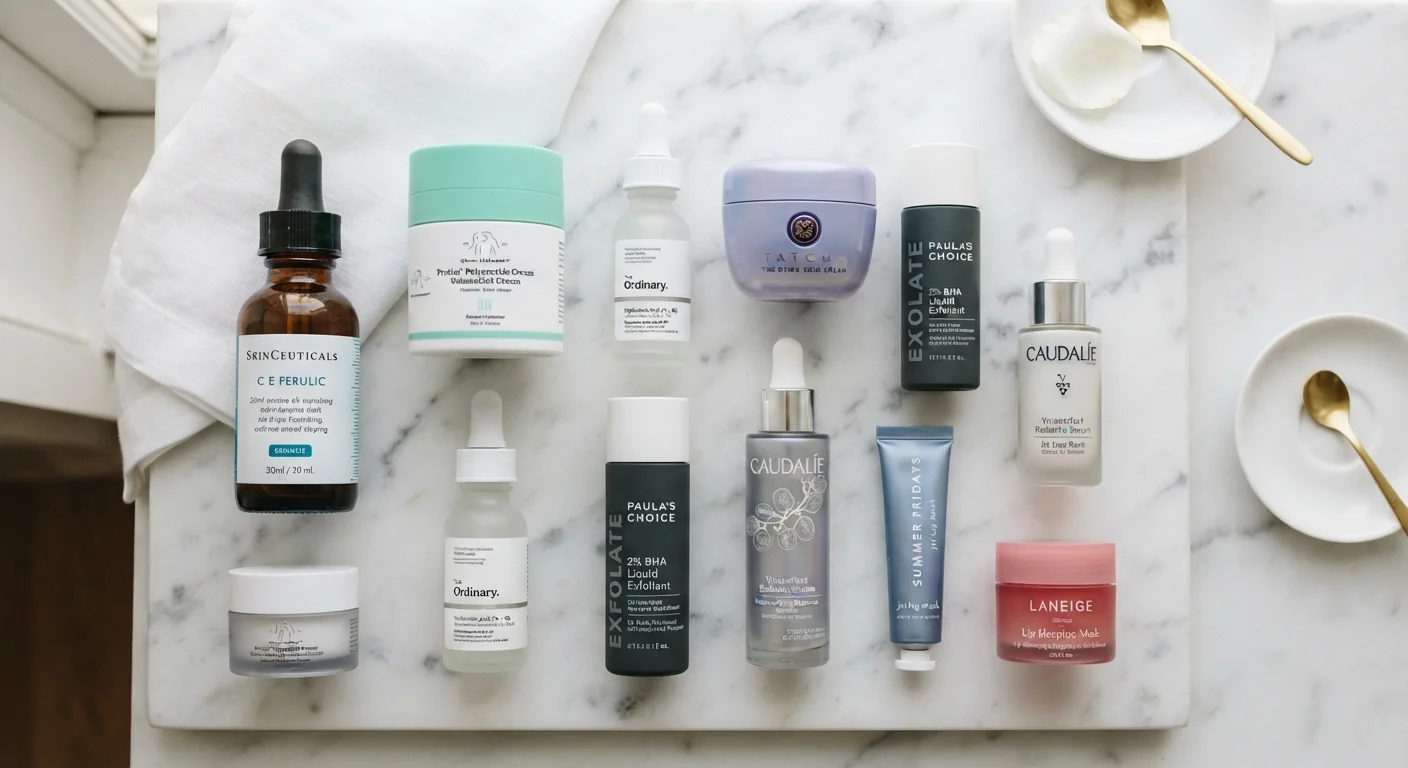
Photo: HorizonMetric.com | One Destination For Everyday Insights editorial
—— In This Article
Why Ingredient Labels Feel So Confusing
Skincare shelves are packed with products promising brighter skin, fewer wrinkles, or a smoother texture — and nearly every one leads with a buzzy ingredient name. But without a reference point, words like ceramide or retinol mean nothing to most shoppers.
This glossary cuts through that confusion. Each entry explains what an ingredient is, what it's generally used for, and what kind of skin it tends to suit. Think of it as a quick-lookup companion for the next time you pick up a product and wonder what's actually inside.
For a deeper look at how ingredients fit into a full routine, see what each skincare step actually does. And if you want guidance on building a routine without overspending, skincare on a tight budget is a practical starting point.
This article is for general informational purposes only and is not a substitute for advice from a licensed dermatologist or healthcare provider.
Humectant
An ingredient that attracts and holds water molecules, drawing moisture into the skin from the environment or deeper skin layers. Common examples include hyaluronic acid and glycerin.
Emollient
An ingredient that softens and smooths the skin by filling gaps between skin cells. Oils, shea butter, and certain fatty acids are typical emollients.
Occludent
An ingredient that forms a physical barrier on the skin's surface to slow water loss. Petrolatum and dimethicone are frequently used occludents.
AHA (Alpha Hydroxy Acid)
A class of water-soluble acids — including glycolic and lactic acid — that exfoliate dead skin cells from the surface. Generally used to improve texture and tone.
BHA (Beta Hydroxy Acid)
An oil-soluble acid, most commonly salicylic acid, that can penetrate into pores. Often used in formulas targeting congested or breakout-prone skin.
Retinol
An over-the-counter vitamin A derivative known for supporting cell turnover. Among the most studied topical ingredients for visible signs of skin aging.
Niacinamide
Also known as vitamin B3, niacinamide is a water-soluble ingredient widely used to support the skin barrier, improve uneven tone, and reduce the appearance of enlarged pores. It's generally considered suitable for most skin types.
Ceramide
A type of lipid (fat) naturally found in the skin that helps maintain the protective barrier and retain moisture. Skincare ceramides are lab-made to mimic the skin's own.
Free Radical
An unstable molecule that can damage skin cells through oxidative stress, often triggered by UV exposure, pollution, or smoke. Antioxidants in skincare help neutralize free radicals.
Comedogenic
Describes an ingredient with a tendency to clog pores, which may contribute to breakouts. Non-comedogenic formulas are typically preferred for oily or acne-prone skin, though individual responses vary.
Key Ingredient Categories at a Glance
Most active skincare ingredients fall into a handful of functional categories. Once you understand the category, the specific ingredient makes much more sense.
| Hyaluronic Acid Function | Binds water to skin (humectant) |
| Salicylic Acid Type | BHA — oil-soluble exfoliant |
| Niacinamide Also Known As | Vitamin B3 |
| Retinol Derivative Of | Vitamin A |
| Ceramide Role | Supports and repairs the skin barrier |
| Vitamin C (Ascorbic Acid) Category | Antioxidant |
Hydrators and Moisture Binders
Hyaluronic acid is a naturally occurring molecule that draws water into the skin. It's well-tolerated across most skin types and appears in many serums and moisturizers. Glycerin works similarly — it's one of the most common humectants in formulas and is gentle enough for sensitive skin.
Barrier Supporters
Ceramides are lipids (fats) that occur naturally in skin and help hold cells together, forming a protective barrier. Products containing ceramides are often recommended when the skin barrier feels compromised — dry, tight, or reactive.
Exfoliants
AHAs (alpha hydroxy acids) like glycolic acid and lactic acid work on the skin's surface to loosen dead cells. BHAs (beta hydroxy acids) — most commonly salicylic acid — are oil-soluble, meaning they can penetrate into pores, which is why they appear in many products aimed at breakout-prone skin.
Antioxidants
Vitamin C (often listed as ascorbic acid) is one of the most studied antioxidants in skincare. It helps neutralize free radicals — unstable molecules linked to environmental skin damage — and is frequently associated with a more even-looking complexion over time. Niacinamide (vitamin B3) also falls broadly into this category; it's praised for its compatibility with sensitive skin and its role in supporting the barrier.
Retinoids
Retinol is a derivative of vitamin A available in over-the-counter products. Dermatologists consider retinoids among the most researched ingredients for concerns like uneven texture and visible signs of aging. Because they can cause irritation initially, most guidance suggests starting with a lower concentration and introducing it gradually. If you're pregnant or have a specific skin condition, consult a healthcare provider before using retinoids.
To understand how to read the actual label when shopping, decoding a skincare label explains what ingredient list positions really mean.
A Note on Patch Testing and Individual Skin Response
No ingredient works identically for everyone. Factors like skin type, existing conditions, climate, and how products are layered all influence how your skin responds. Before adding a new active ingredient to your routine, applying a small amount to the inside of your forearm or behind the ear for a few days is a widely recommended precaution.
When to See a Dermatologist
This glossary covers general ingredient information and is not medical advice. If you have a diagnosed skin condition such as rosacea, eczema, or acne that doesn't respond to over-the-counter products, a board-certified dermatologist can provide personalized guidance. Always consult a healthcare professional before introducing active ingredients if you are pregnant, nursing, or managing a chronic skin condition.
If you're new to skincare altogether, skincare basics for beginners covers skin types, essential products, and where to start without feeling overwhelmed.

Beauty Editorial Team
Beauty Editorial Team is the collective byline for our editorial team and contributor network. Articles published under this byline or an editorial pen name are researched, written, and reviewed according to our editorial standards for clarity, consistency, and independence before publication.
View author profile