
Skincare on a Tight Budget: What's Worth Keeping, What Isn't
You don't need a ten-step routine to take care of your skin. Here's a practical breakdown of what skincare spending actually moves the needle.
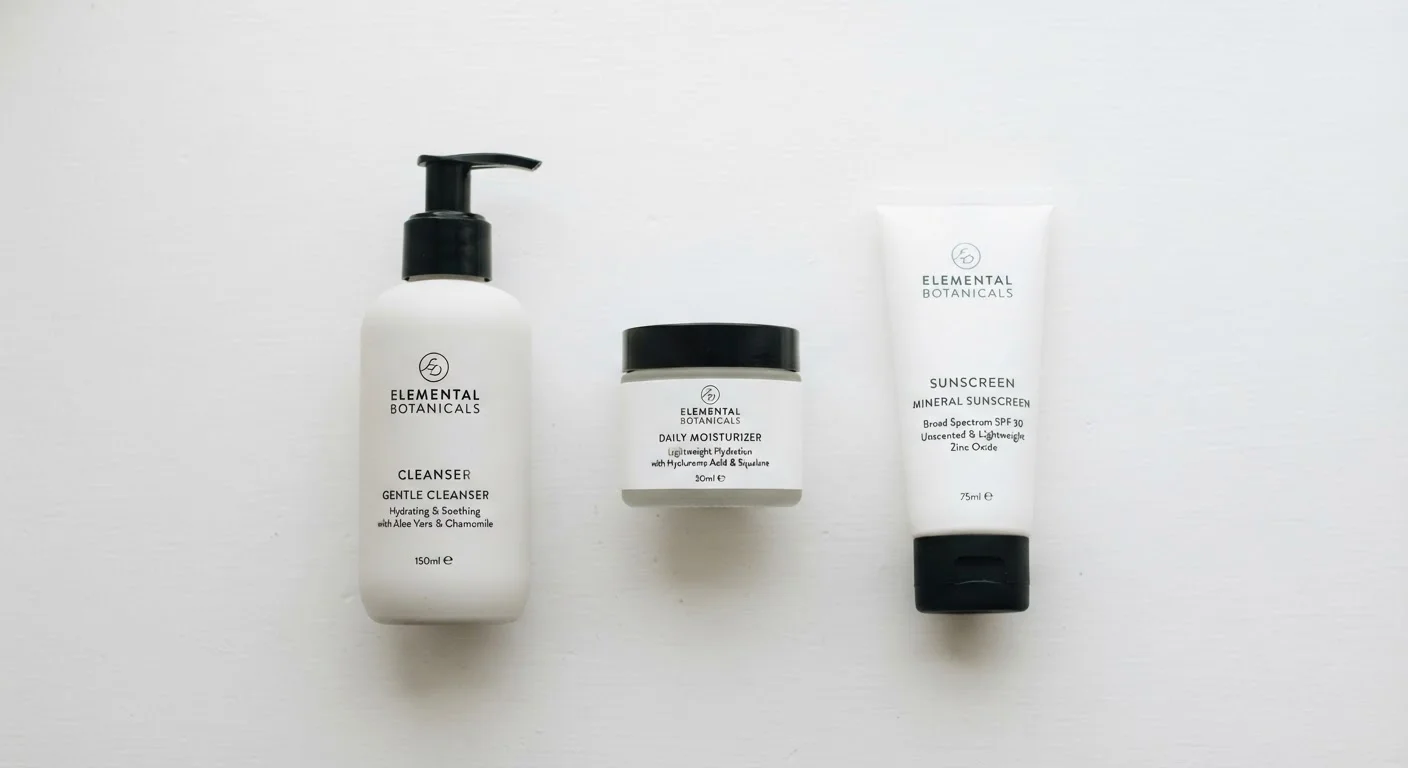
Photo: HorizonMetric.com | One Destination For Everyday Insights editorial
—— In This Article
Key Takeaways
- A three-step routine — cleanse, moisturize, and apply SPF — covers the fundamentals for most skin types.
- Sunscreen is the single most evidence-backed step in any skincare routine, regardless of budget.
- Price does not reliably predict effectiveness; ingredient lists matter more than brand or packaging.
- Many popular add-on products (toners, eye creams, facial mists) are optional for the majority of users.
- Consistency with a simple routine outperforms sporadic use of an expensive one.
Why Budget Skincare Works Better Than You Think
Marketing in the beauty industry is exceptionally good at making complexity look necessary. Multi-step routines, specialty serums, and luxury packaging can suggest that more spending equals better skin. Dermatologists generally disagree. The ingredients that skin research consistently supports — like broad-spectrum SPF, gentle cleansers, and basic moisturizers — are available at nearly every price point.
The goal of this checklist is not to shame anyone's current routine. It's to help you identify what's doing real work, what's redundant, and where your money actually makes a difference. Before you start, it helps to know your skin type, since the right products for dry skin look very different from those for oily or combination skin.
Non-Negotiables (Keep These)
Worth Keeping If You Have Them
Audit These — Likely Redundant
Cut Without Hesitation
What to Look For (and What to Skip)
Once you've audited your shelf using the checklist above, the next step is understanding why certain items earned their place. For most people, a stripped-back routine addresses the same core concerns as an elaborate one — without the cost or the confusion.
Don't Strip Your Routine Too Fast
Cutting multiple products at once makes it hard to identify what's helping or hurting your skin. When simplifying your routine, remove one product at a time and wait at least two weeks before making the next change. This also applies to introducing anything new — patch test first and add products gradually to avoid unnecessary irritation.
Sunscreen deserves special mention. It's widely regarded by dermatologists as the most impactful daily skincare step for long-term skin health. Daily use has been linked to reduced signs of premature aging and lower skin cancer risk — outcomes no serum or toner can match. See our full breakdown of daily SPF for more detail.
If you're unsure whether your existing lineup is working together effectively, our guide to what each skincare step actually does can help clarify which steps add value for your routine. And if layering multiple products, applying them in the right order matters more than most people realize.
Gentle, Fragrance-Free Cleanser
Removes surface impurities without disrupting the skin's moisture barrier — the foundation of any functional routine.
Broad-Spectrum SPF 30+ Sunscreen
Provides daily UV protection, which is the most evidence-supported single step for long-term skin health.
Basic Moisturizer (matched to skin type)
Supports the skin barrier and prevents moisture loss; available effectively at every price point.
Retinoid or Retinol Product
Supports cell turnover and skin texture; one of the most researched active ingredients in skincare.
Chemical Exfoliant (AHA or BHA)
Removes dead skin cells through chemical action rather than physical abrasion; used a few times per week at most.
Finally, ingredient labels can feel overwhelming, but learning a few key terms makes comparison-shopping much easier at any price point. Our guide to reading skincare labels walks through what to look for without a chemistry degree.
This article is for general informational purposes only and is not a substitute for professional medical or dermatological advice. If you have a skin condition, persistent irritation, or concerns about your skin health, consult a qualified healthcare provider.

Beauty Editorial Team
Beauty Editorial Team is the collective byline for our editorial team and contributor network. Articles published under this byline or an editorial pen name are researched, written, and reviewed according to our editorial standards for clarity, consistency, and independence before publication.
View author profile