
Your Skin Type, Explained: Oily, Dry, Combination, and Sensitive
Not sure what skin type you have? Learn what each type looks and feels like — and why it matters for building a skincare routine.
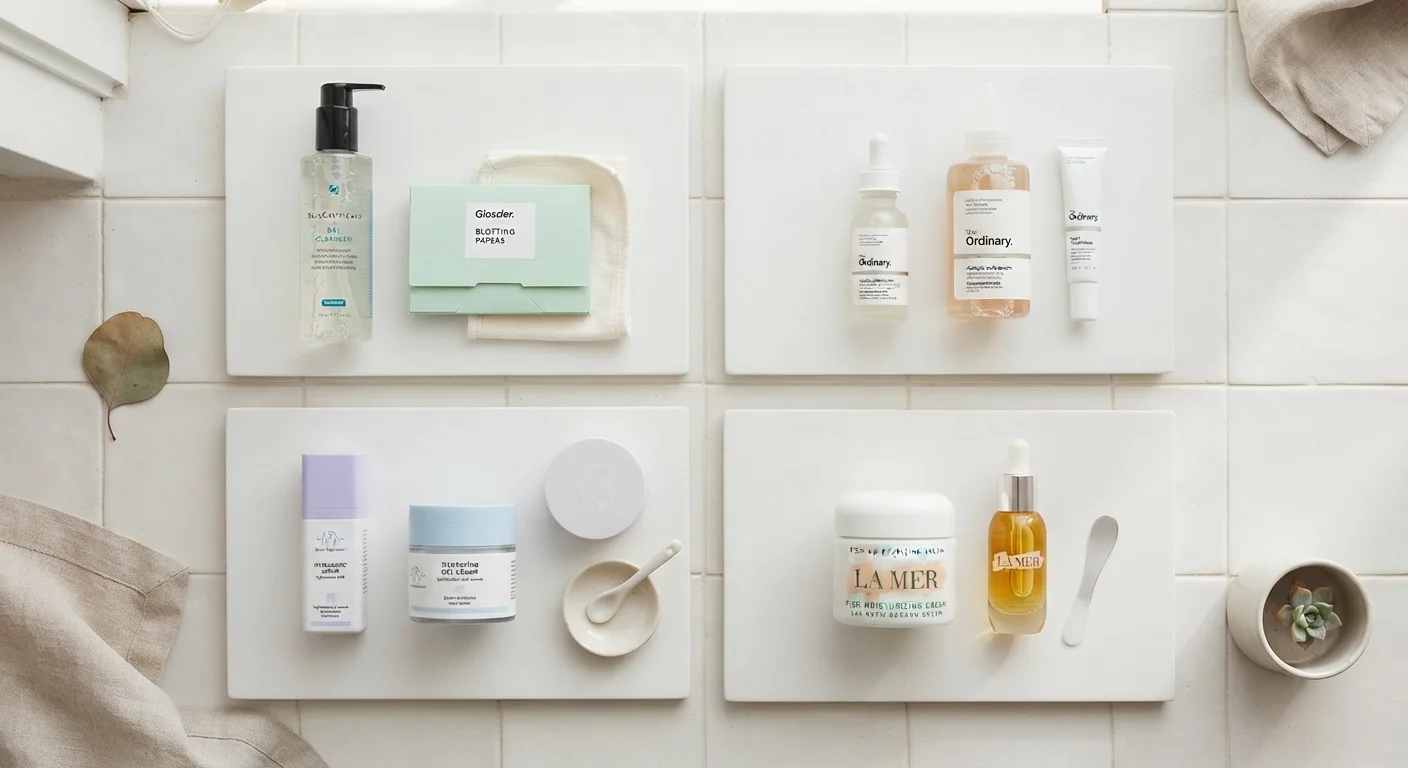
Photo: HorizonMetric.com | One Destination For Everyday Insights editorial
—— In This Article
Key Takeaways
- Skin type is determined by oil production, moisture retention, and environmental reactivity.
- Most people fall into one of four categories: oily, dry, combination, or sensitive.
- Your skin type can change with age, seasons, and lifestyle factors.
- Using products formulated for your skin type reduces irritation and improves results.
- A simple, consistent routine beats an elaborate one designed for the wrong skin type.
Why Knowing Your Skin Type Actually Matters
Walk into any drugstore and you'll find shelves of products promising clearer, smoother, brighter skin. But without knowing your skin type, choosing between them is essentially guesswork — and the wrong product can make things worse, not better.
Skin type is your baseline. It tells you how much sebum (the skin's natural oil) your glands produce, how well your skin holds onto moisture, and how reactive it tends to be. Once you understand your type, you can stop buying random products and start building a simple routine that actually fits your skin.
This is general skincare education, not medical advice. If you have a diagnosed skin condition or persistent concerns, a board-certified dermatologist is your best resource.
~50%
Adults who self-report sensitive skin
Research published in dermatology literature consistently shows that around half of adults in Western countries describe their skin as sensitive, though clinical measurements often find lower rates.
4 types
Recognized primary skin types
Dermatologists broadly categorize skin into four types — oily, dry, combination, and sensitive — used as a foundation for tailoring skincare routines.
30 min
Time needed for the at-home skin type test
The standard bare-face method — cleanse, wait 30 minutes without product, then observe — is widely recommended by skincare professionals as a simple self-assessment tool.
The Four Main Skin Types — And How to Recognize Yours
Oily Skin
Oily skin produces more sebum than the skin needs. It typically looks shiny or greasy — especially across the forehead, nose, and chin — and pores often appear larger. People with oily skin are more prone to blackheads and breakouts, but the upside is that extra oil can help slow visible signs of aging. Lightweight, non-comedogenic (non-pore-clogging) products tend to work well here.
Dry Skin
Dry skin doesn't produce enough sebum, which means it has a harder time staying moisturized. It can feel tight, rough, or flaky — especially after washing. Fine lines may appear more prominent. Dry skin benefits from richer, cream-based moisturizers and gentle, non-stripping cleansers. Face oils can also be worth exploring for dry skin types.
Combination Skin
Combination skin is exactly what it sounds like: oily in some areas, dry or normal in others. The T-zone — forehead, nose, and chin — is usually oilier, while the cheeks may feel dry or comfortable. This type can make product selection trickier, but focusing on balance rather than extremes usually works well.
Sensitive Skin
Sensitive skin reacts easily — to new products, fragrances, temperature changes, or stress. Signs include redness, stinging, itching, or flushing. Sensitive skin isn't a fixed skin type in the same way the others are; it can overlap with oily, dry, or combination skin. The priority here is minimal ingredients and gentle formulas. Always patch-test new products before applying them to your full face.
Test New Products Before Committing
Regardless of your skin type, patch-testing a new product on a small area — like the inside of your wrist or behind your ear — for 24–48 hours before applying it to your face can help you spot reactions early. This is especially important for sensitive skin, but it's a smart habit for everyone.
Putting Your Skin Type to Work in a Routine
Once you know your skin type, the next step is translating that knowledge into a routine. You don't need ten steps — for most people, a cleanser, moisturizer, and sunscreen cover the essentials. The key is choosing versions that suit your skin.
For a plain-language breakdown of what each skincare step actually does, see our guide to cleanser, toner, and moisturizer. If you're just getting started, Skincare Basics: Everything You Need to Get Started walks through the full picture for beginners.
When shopping, reading product labels matters more than the price tag. Our label-reading guide can help you decode ingredient lists without a chemistry degree. And if budget is a concern, skincare on a tight budget shows what spending actually moves the needle.
This article is for general informational purposes only and is not a substitute for professional medical or dermatological advice. Consult a qualified healthcare provider for any persistent or concerning skin issues.
Frequently Asked Questions

Beauty Editorial Team
Beauty Editorial Team is the collective byline for our editorial team and contributor network. Articles published under this byline or an editorial pen name are researched, written, and reviewed according to our editorial standards for clarity, consistency, and independence before publication.
View author profile