
Cleanser, Toner, Moisturizer: What Each Step in a Skincare Routine Actually Does
Confused by the lineup of skincare steps? Here's a plain-language breakdown of what each product does and whether you actually need it.
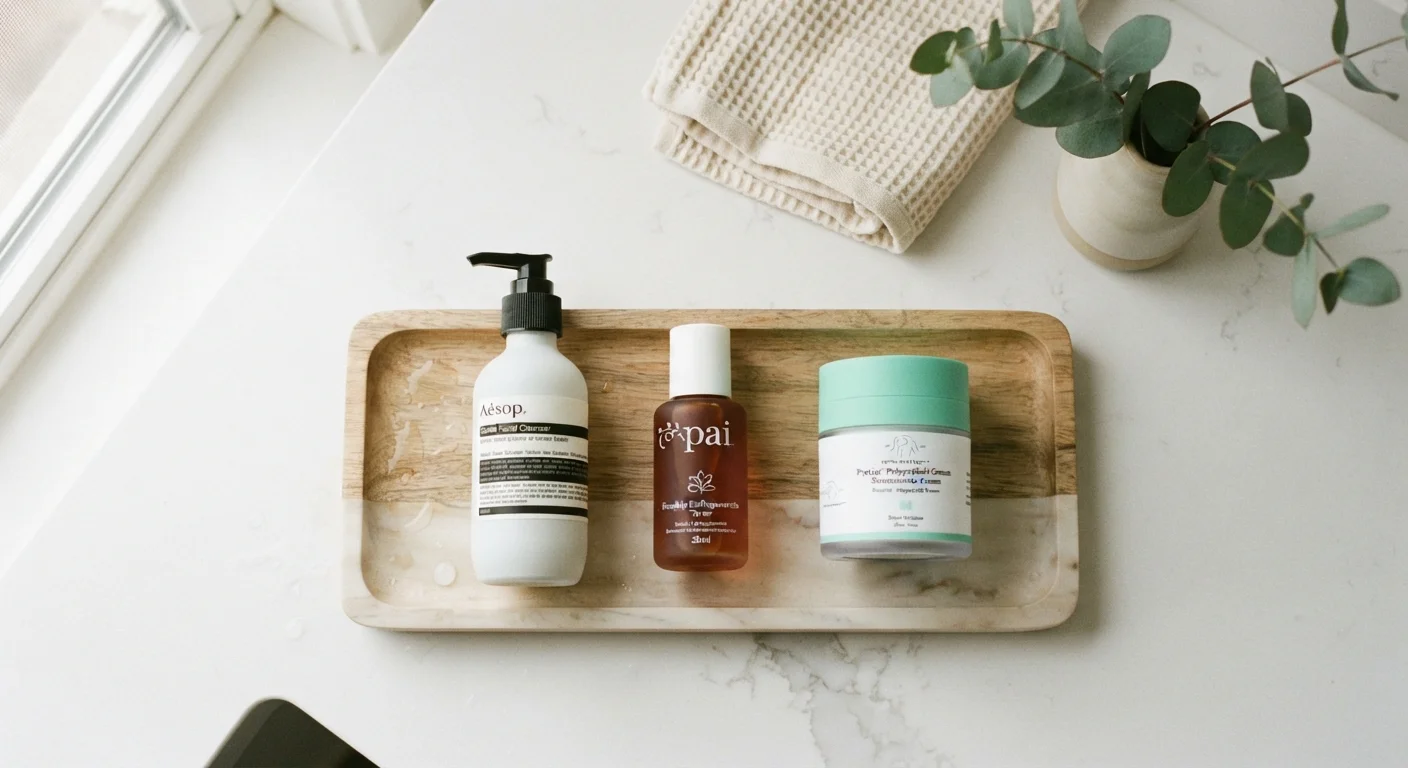
Photo: HorizonMetric.com | One Destination For Everyday Insights editorial
—— In This Article
Key Takeaways
- Cleansers remove dirt, oil, and product buildup without stripping necessary moisture from skin.
- Toners are optional for most people but can restore pH balance or deliver lightweight active ingredients.
- Moisturizers help lock in hydration and reinforce the skin's natural protective barrier.
- A three-step routine is genuinely sufficient for most skin types and budgets.
- Applying products in the correct order matters as much as choosing the right products.
Why Skincare Routines Have Steps at All
Walk into any beauty aisle and the number of products on the shelf can feel overwhelming. But underneath the marketing, most skincare routines are built on a simple logic: prepare the skin, treat it, then protect it. Each step creates the right conditions for the next one to work.
The three-step routine — cleanser, toner, moisturizer — is where most dermatologists and estheticians recommend beginners start. It covers the fundamentals without introducing unnecessary complexity. If you want to go deeper on building out a full morning sequence, our beginner's morning routine guide walks through each step in practical detail.
4.5–5.5
Healthy skin surface pH range
Dermatology research consistently identifies this slightly acidic pH as optimal for the skin's protective barrier function and microbial balance.
28–40 days
Approximate skin cell turnover cycle
The American Academy of Dermatology notes that skin renewal slows with age, which is why consistent routines take several weeks to show visible results.
Step One: Cleanser — Clear the Canvas
A cleanser's job is to remove what has accumulated on the skin's surface: environmental pollutants, makeup, sunscreen, excess oil, and dead skin cells. It preps the skin so that everything applied afterward can actually absorb properly.
Not all cleansers work the same way. Foaming cleansers tend to remove more oil, making them a common choice for oily or combination skin. Cream and lotion cleansers are gentler and better suited to dry or sensitive skin types. A good cleanser should leave skin feeling clean but not tight or stripped — that tight, squeaky feeling is a sign the product may be too harsh.
Over-cleansing is a real concern. Washing the face more than twice a day, or using a cleanser that's too stripping, can compromise the skin's natural moisture barrier. Most skin types do well with cleansing once in the morning and once at night.
Patch Test Before You Commit
Whenever you introduce a new cleanser or any skincare product, apply a small amount to the inside of your wrist or behind your ear for a day or two before using it on your full face. This simple habit can help you identify irritation or sensitivity before it affects larger areas of skin. It's especially worthwhile if your skin tends to be reactive or if the product contains active ingredients.
Step Two: Toner — The Most Misunderstood Step
Toner has had a complicated history in skincare. Older formulas were often alcohol-heavy and designed to strip oil from acne-prone skin — which frequently caused more irritation than they solved. Modern toners are a different story.
Today, toners generally fall into two categories. Balancing toners are thin, water-based liquids that help restore the skin's slightly acidic pH after cleansing — particularly useful if your cleanser is on the alkaline side. Active toners go further, delivering ingredients like hyaluronic acid for hydration, niacinamide to support barrier function, or AHAs and BHAs for gentle exfoliation.
For many people with healthy skin and a gentle cleanser, toner is genuinely optional. But if your skin feels tight after cleansing, or you want to incorporate a lightweight active ingredient without adding a full serum, a well-chosen toner can be useful. See our skincare ingredient glossary if terms like niacinamide or AHAs are unfamiliar.
Step Three: Moisturizer — Lock It In
Moisturizer is the step most people are least likely to skip — and for good reason. It serves two main functions: adding hydration to the skin and forming a light seal that slows water evaporation, a process called transepidermal water loss (TEWL).
Most moisturizers work through a combination of three types of ingredients. Humectants (like hyaluronic acid and glycerin) draw water into the skin. Emollients (like plant oils and fatty acids) smooth the skin's surface by filling in gaps between skin cells. Occlusives (like petrolatum and dimethicone) form a barrier on top of the skin to prevent moisture from escaping.
A lightweight gel moisturizer may be enough for oily skin in warm months. Dry skin, cold climates, or indoor heating often call for a richer cream. The right choice depends on your skin type and environment — not on which formula costs more.
Putting It All Together
The order matters as much as the products themselves. Applying a thick moisturizer before a lightweight toner, for instance, can block the toner from reaching the skin at all. As a rule, apply products from thinnest to thickest consistency after cleansing. Our article on why layering order matters explains exactly what goes wrong when the sequence is off.
For those curious about what's actually inside the products on their shelf, reading a skincare label offers a plain-language guide to decoding ingredient lists. And if you're building this routine from the ground up, skincare basics for beginners covers skin types, product selection, and the habits that genuinely move the needle.
A three-step routine done consistently will always outperform an elaborate ten-step routine applied erratically. Start simple, stay consistent, and adjust from there.
This article is for general informational purposes only and is not a substitute for professional medical or dermatological advice. If you have a persistent skin condition or concern, consult a qualified healthcare professional or dermatologist.
Frequently Asked Questions

Beauty Editorial Team
Beauty Editorial Team is the collective byline for our editorial team and contributor network. Articles published under this byline or an editorial pen name are researched, written, and reviewed according to our editorial standards for clarity, consistency, and independence before publication.
View author profile