
Building a Simple Morning Skincare Routine from Scratch
A practical, no-fuss morning routine guide for anyone starting out — covering cleansing, moisturizing, and sun protection in the right order.
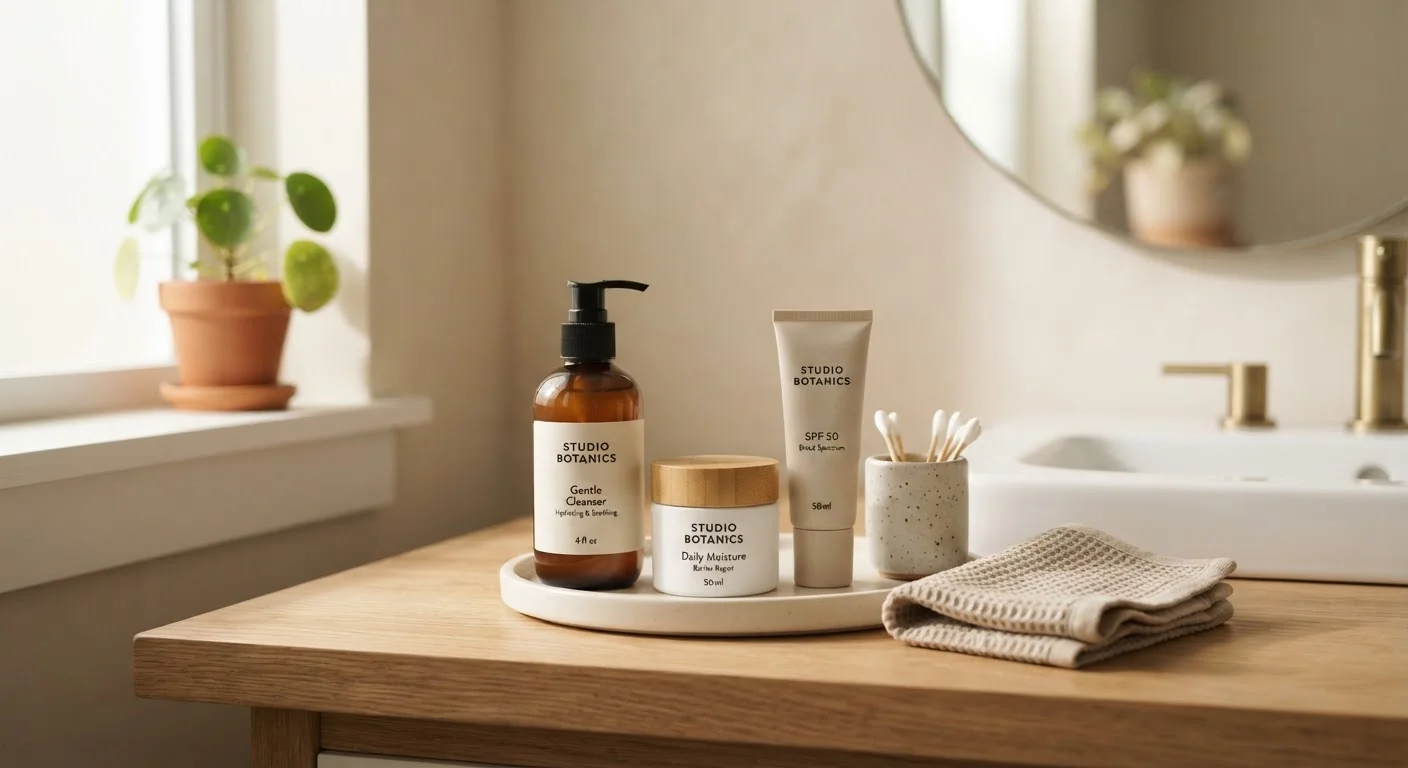
Photo: HorizonMetric.com | One Destination For Everyday Insights editorial
—— In This Article
Key Takeaways
- A morning routine needs only three core steps: cleanse, moisturize, and apply sunscreen.
- Order matters — applying products from thinnest to thickest consistency improves absorption.
- Daily SPF is considered the single most impactful skincare habit by most dermatologists.
- Consistency over a few weeks matters more than the specific products you choose.
- Introduce products one at a time so you can identify what works — or what irritates.
Why a Three-Step Routine Is Enough
The skincare industry can make morning routines feel overwhelming — serums, essences, eye creams, mists, and more all marketed as essential. In reality, most dermatologists agree that a consistent three-step routine — cleanse, moisturize, protect — delivers the foundational benefits your skin actually needs each morning.
More steps aren't automatically better. Adding products before you understand your skin's baseline can make it harder to identify what's helping and what's irritating. If you're brand new to skincare, our beginner's guide to skincare is a useful starting point before building a routine.
The goal at this stage is simple: remove overnight residue, restore hydration, and shield your skin from daily UV exposure. Once this routine feels automatic — usually after two to four weeks — you'll have a much clearer picture of whether your skin would benefit from anything additional.
Gentle Facial Cleanser
Removes overnight oil, sweat, and any residue from your pillowcase without stripping the skin's moisture barrier.
Facial Moisturizer
Replenishes hydration after cleansing and helps maintain a healthy skin barrier throughout the day.
Broad-Spectrum Sunscreen (SPF 30+)
Shields skin from UVA and UVB rays, preventing sun damage and premature aging — applied as the final step.
Facial Toner
Can help balance skin pH after cleansing; optional and most useful for oily or acne-prone skin types.
How to Follow the Routine Each Morning
The steps below take three to five minutes total and are designed to be done in a fixed order. Layering products correctly matters — applying a heavier product first can block a lighter one from absorbing properly. For a deeper look at why sequence makes a difference, see our article on why product order affects your results.
What you will need
Wash Your Face With a Gentle Cleanser
Wet your face with lukewarm water — not hot, which can strip natural oils. Apply a small amount of cleanser (about the size of a nickel) to your fingertips and work it gently across your face in small circular motions for about 30 seconds. Rinse thoroughly and pat — don't rub — dry with a clean towel.
In the morning, your skin doesn't need a heavy-duty wash. Overnight, it produces sebum (natural oil) and sheds some dead cells, but a mild cleanser is sufficient to clear that without disrupting your moisture barrier.
Apply a Moisturizer While Skin Is Still Slightly Damp
Within a minute of patting dry, apply a pea- to dime-sized amount of moisturizer evenly across your face and neck. Applying it while skin retains a little moisture helps lock hydration in more effectively than waiting until skin is completely dry.
Choose a moisturizer based on your skin type: lightweight gel formulas work well for oily or combination skin, while creamier textures suit dry or normal skin. For a full breakdown of what moisturizer actually does, see our guide to what each skincare step does.
Finish With Broad-Spectrum Sunscreen
Once your moisturizer has been absorbed — typically 30 to 60 seconds — apply sunscreen as your final morning step. Use about a quarter-teaspoon for your face alone, and don't forget your neck and the backs of your hands if they'll be exposed.
Choose a broad-spectrum formula with SPF 30 or higher. 'Broad-spectrum' means it protects against both UVA rays (linked to aging) and UVB rays (linked to burning). For more on why daily SPF matters far beyond summer, see why dermatologists recommend SPF every day.
Sunscreen Is Not Optional
UV exposure is a leading driver of premature skin aging and skin damage, and it occurs even on cloudy or overcast days. Skipping SPF in the morning — even indoors near windows — leaves skin unprotected. Make sunscreen the non-negotiable last step of your morning routine, every single day.
Keep It Consistent, Not Perfect
You don't need an elaborate or expensive routine to see results. Applying the same three products in the same order every morning builds the habit and gives your skin a reliable foundation. Missing a day occasionally is fine — what counts is showing up most mornings.
Adjusting the Routine for Your Skin Type and Situation
This three-step framework works across most skin types, but small adjustments make it more effective for your specific needs. If your skin is oily, a gel-based cleanser and lightweight, non-comedogenic (non-pore-blocking) moisturizer tend to work well. Dry skin generally benefits from a creamier cleanser and a richer moisturizer. For combination skin, a gentle foaming or gel cleanser paired with a medium-weight moisturizer is a reasonable starting point.
If your skin reacts easily to new products, introduce each item one at a time rather than starting all three at once. Patch testing — applying a small amount to the inside of your wrist or behind your ear for a few days — can help you catch sensitivities before they spread across your whole face. Our practical guide to patch testing walks through the process step by step.
For those with ongoing skin sensitivity, principles for building a gentle, low-irritation routine offers additional guidance tailored to reactive skin. And if budget is a concern, most of what moves the needle in skincare doesn't require premium pricing — see what skincare spending actually makes a difference for a practical breakdown.
Don't Overload Your Skin Right Away
Starting with too many new products at once makes it nearly impossible to know what's helping or causing a reaction. Begin with the three core steps and give your skin at least two to four weeks to adjust before adding anything else. If you experience persistent redness, stinging, or breakouts, discontinue use and consult a dermatologist.
This article is for general informational and educational purposes only and is not a substitute for professional medical or dermatological advice. If you have a skin condition or concerns about your skin health, consult a qualified healthcare provider.

Beauty Editorial Team
Beauty Editorial Team is the collective byline for our editorial team and contributor network. Articles published under this byline or an editorial pen name are researched, written, and reviewed according to our editorial standards for clarity, consistency, and independence before publication.
View author profile